Key Takeaways
- SPF 30 or higher is a must for a day on the water — the lake surface reflects UV and intensifies exposure.
- Sun shirts with UPF 50+ ratings can replace sunscreen on covered skin, making protection easier all day.
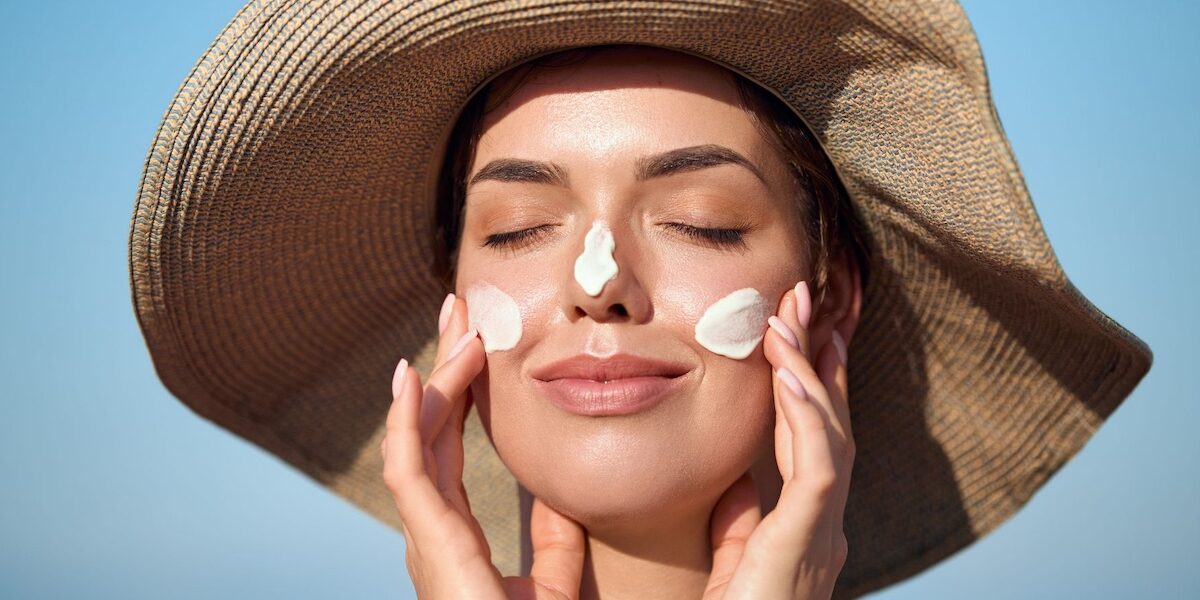
- Wide-brim hats rated UPF 50+ are among the most effective tools for protecting the face, ears, and neck.
- Water-resistant sunscreen should be reapplied every 80 minutes — or sooner after swimming.
- Layering sunscreen, a sun shirt, and a hat gives you the most complete protection on the lake.
Sun Safety Is Part of Life on Lake Martin
One of the best things to do at Lake Martin is to spend the whole day outside. Boating, swimming, fishing, and tubing keep families on the water for hours at a time. The Alabama sun is intense in the summer months. The lake surface amplifies UV exposure by reflecting light up at you. That means your risk of sunburn is higher on the water than it is on dry land. A solid sun protection routine is essential for enjoying the season comfortably and safely.
Understanding SPF and UPF
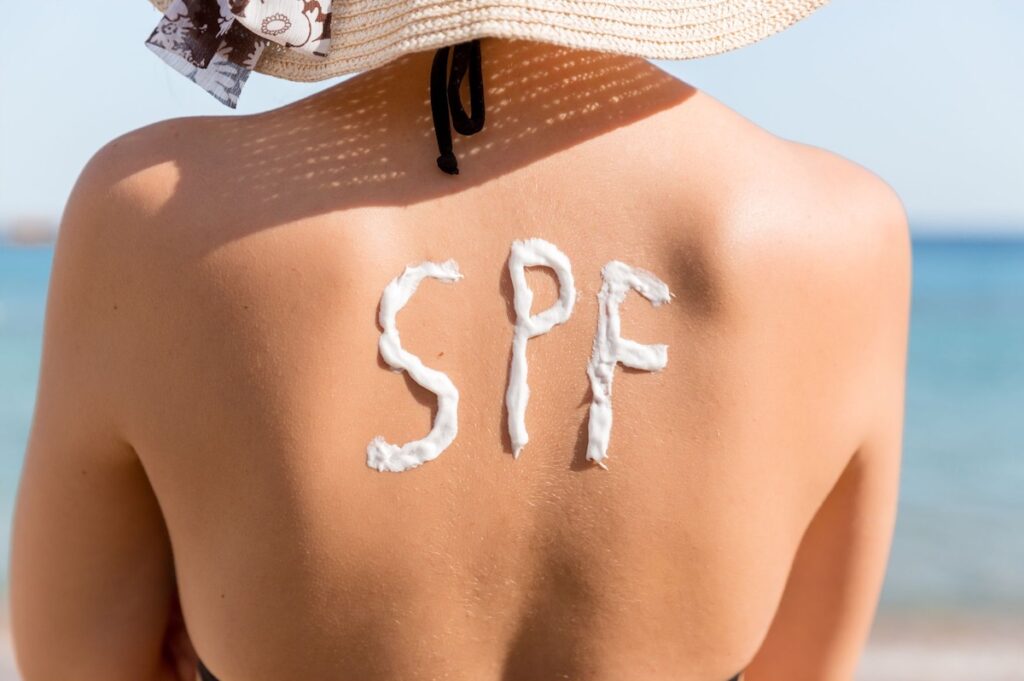
Two ratings show up on sun protection products: SPF and UPF. SPF, or Sun Protection Factor, applies to sunscreen. It measures how well a product shields your skin from UVB rays. SPF 30 blocks about 97 percent of UVB radiation. SPF 50 blocks roughly 98 percent. Most dermatologists recommend SPF 30 as the minimum for extended outdoor use. UPF, or Ultraviolet Protection Factor, applies to clothing and hats. A UPF 50 garment blocks 98 percent of UV rays from reaching your skin. Both ratings matter when you’re planning a full day on Lake Martin.
Choosing the Right Sunscreen for the Lake
Not all sunscreens are built for a day on the water. You want broad-spectrum protection, which covers both UVA and UVB rays. Water resistance is non-negotiable. The FDA allows sunscreens to claim water resistance for 40 or 80 minutes. Always look for the 80-minute version when you’re boating or swimming.
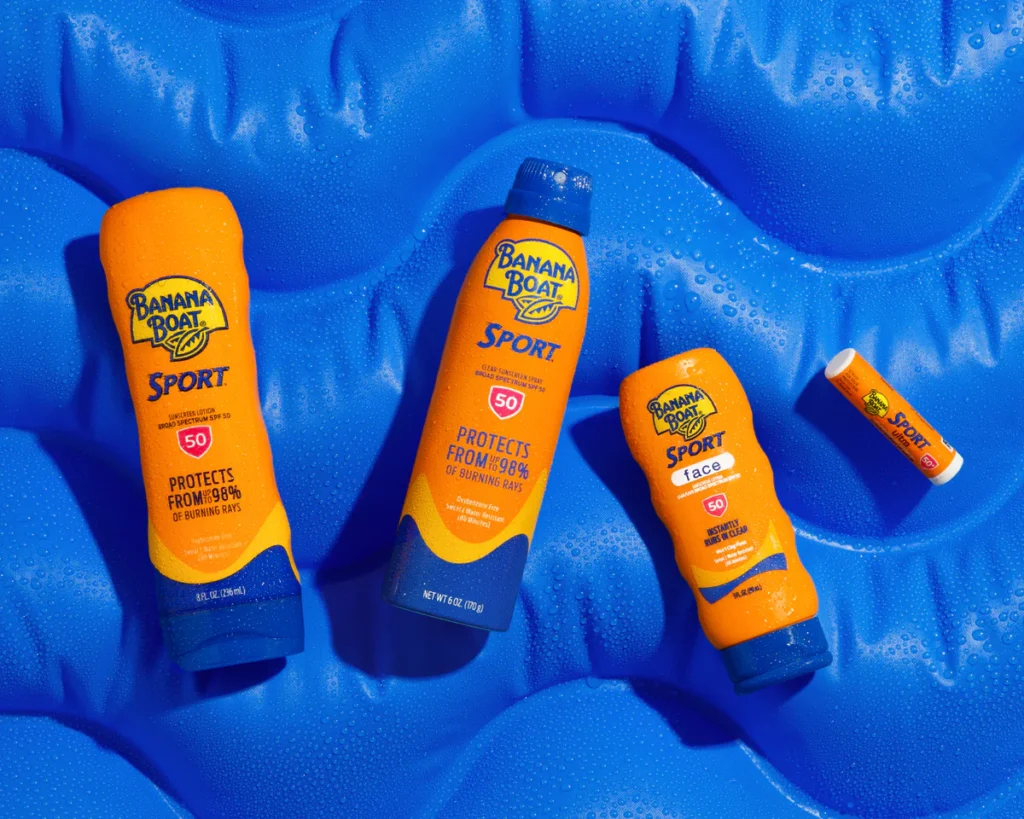
Banana Boat Sport Ultra SPF 50 Sunscreen Spray is a perennial favorite for active outdoor use. It’s widely available, affordable, and easy to apply. Coppertone Sport Mineral SPF 50 Lotion offers 100 percent zinc oxide protection for those who prefer a mineral formula. It’s water-resistant for up to 80 minutes and a strong pick for sensitive skin. La Roche-Posay Anthelios is a dermatologist-recommended option for face protection. It holds up well in heat and humidity. In 2026, La Roche-Posay also launched Anthelios UV Air. It’s a lightweight outdoor formula with a serum-like texture designed for long days in the sun.
Mineral sunscreens start working on contact. Chemical formulas need about 15 minutes to activate after application. Plan accordingly before your group heads out on the dock. Reapply every two hours — and immediately after swimming or toweling off.
Sun Shirts: The Smart Layer for Lake Days
Sun shirts have become one of the most popular pieces of lake gear in recent years. They cover your arms, shoulders, and torso without the hassle of reapplication. A quality sun shirt rated UPF 50+ blocks as much UV as sunscreen — and it doesn’t wash off. Hooded styles extend protection to the back of your neck and part of your face.
Mountain Hardwear’s Crater Lake Hoody is one of the top-rated options across multiple gear testing sites in 2026. It earns high marks for comfort, breathability, and silky-soft fabric. The Outdoor Research Echo Hoodie is another standout. At under four ounces, it’s one of the lightest sun shirts available. Patagonia’s Tropic Comfort Natural Sun Hoody is a newer pick praised for sustainable materials and smooth performance. It’s worth seeking out for anyone who prefers plant-based fabrics.
For families on a budget, Baleaf sun hoodies deliver solid UPF ratings at a lower price point. They’re a practical choice for kids who need coverage without a high premium.
One important note from the Skin Cancer Foundation: the standard changed in 2026. The Foundation raised its Seal of Recommendation threshold from UPF 30 to UPF 50. When shopping for sun shirts, look for that higher rating.

Wide-Brim Hats: Essential Lake Gear
A wide-brim hat covers territory that sunscreen and sun shirts can’t fully reach. Your face, ears, and neck all benefit from consistent hat coverage. The Skin Cancer Foundation recommends a minimum three-inch brim all the way around. A chin strap is especially useful on the water. Boat speed and afternoon wind can easily pull an unsecured hat off.
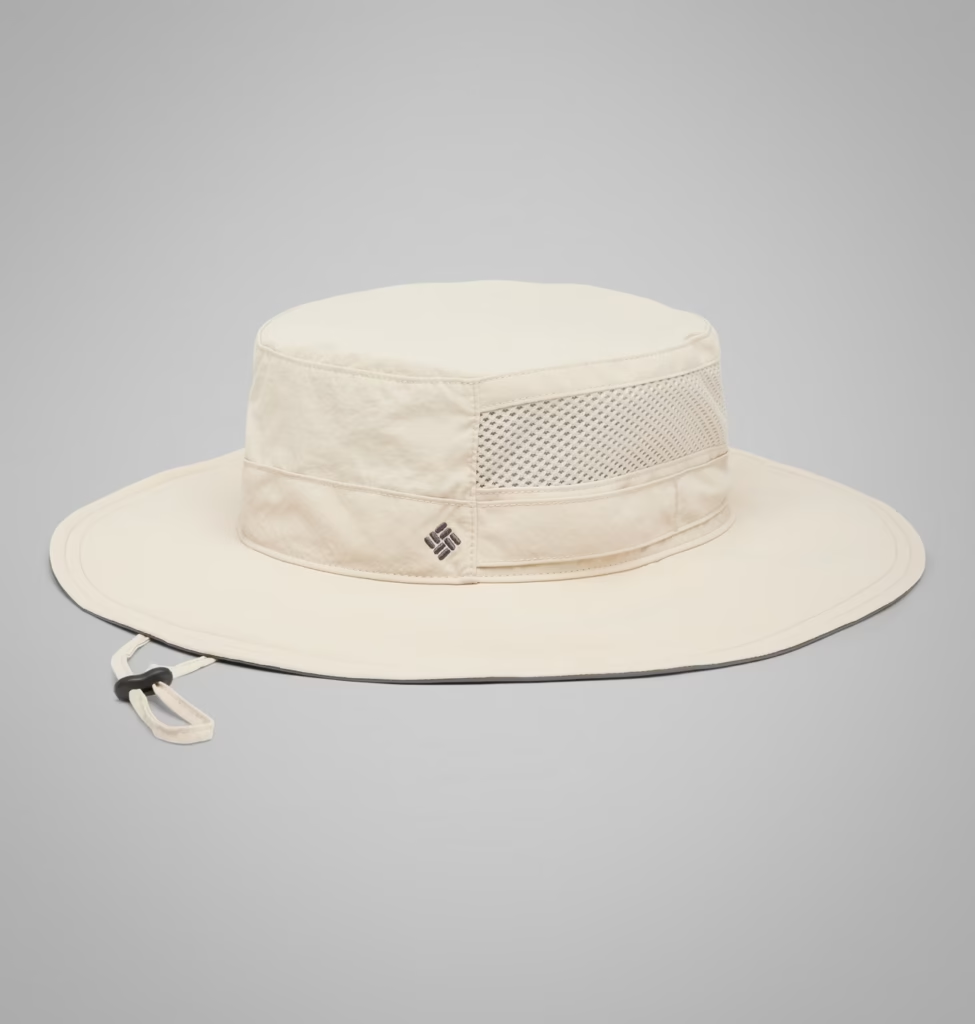
Sunday Afternoons Adventure Hat is a go-to recommendation across multiple outdoor gear review sites. Its neck cape measures 7.5 inches, and the hat carries a UPF 50+ rating. It’s one of the most protective options available in its class. The Columbia Bora Bora Booney II Hat is a more affordable pick using Columbia’s Omni-Shade UPF 50 technology. It’s designed for warm-weather outdoor activities and packs down easily for travel. Coolibar wide-brim hats are also highly regarded by dermatologists for quality and longevity.
For anglers and boaters who prefer a structured cap, fishing hats with neck flaps are a great alternative. Look for UPF 50+ ratings and quick-dry fabrics. An adjustable chin toggle keeps the hat in place on a moving boat.
Building a Complete Sun Protection System
The most effective approach combines all three layers: sunscreen, a sun shirt, and a hat. Together, they minimize the amount of unprotected skin exposed during a full day on the lake. Apply sunscreen to exposed areas — hands, lower face, calves, and feet. Do this before putting on your sun shirt and hat. Reapply every 80 minutes to uncovered areas.
Zinc oxide sticks are a convenient way to reapply to the face. No unpacking a full sunscreen bottle, no mess. Use them on the nose, cheeks, and forehead before jumping back in the water. Keep a small tube or stick in your cooler bag so it’s easy to find. SPF lip balm is a simple addition that most people forget. A balm rated SPF 30 or higher protects one of the most sun-exposed areas on your face.
What’s New for Sun Protection in 2026
The 2026 sunscreen market has moved hard toward lighter textures and mineral formulas. Mineral sunscreens — those that use zinc oxide and titanium dioxide — are improving quickly. Newer formulas go on sheer without leaving a white cast. Tinted mineral options are now widely available and a strong choice for use on the face.
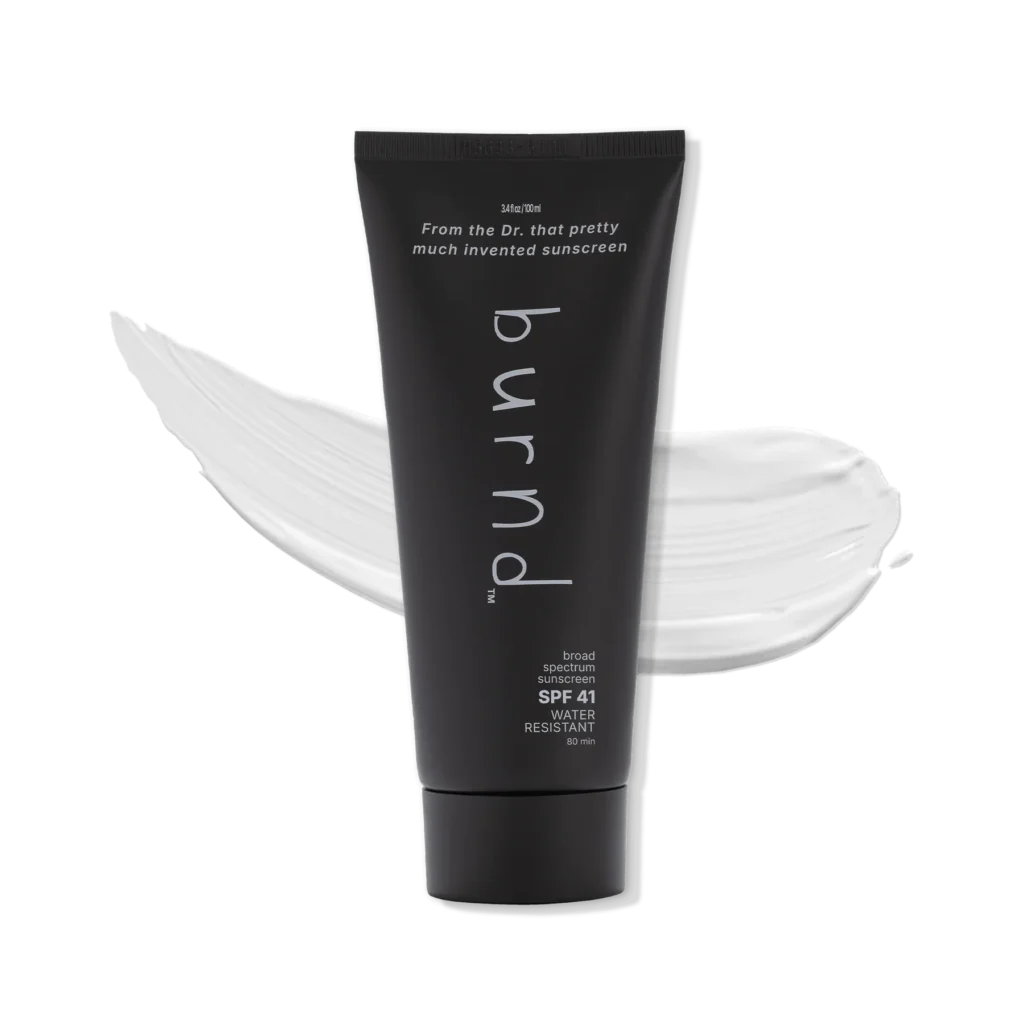
A new brand worth knowing is burnd SPF 41. It was launched in early 2026 by the scientist behind transparent zinc oxide technology. The formula is a hybrid sunscreen that’s lightweight and highly water-resistant. It’s built for outdoor athletes and earns strong early reviews. DERMA E’s All Sport Performance Sheer Mineral Sunscreen Spray SPF 50 is another newcomer. It’s a non-aerosol, quick-dry spray with aloe and Vitamin E. It applies clearly and offers 80 minutes of water resistance — a solid addition to any lake kit.
Make Sun Protection Part of Your Lake Routine
The best sun protection is the kind you actually use every time. Build a habit around it. Pack your sunscreen the same way you pack your cooler and life jackets. Set a phone timer to remind your group to reapply. Encourage kids to wear their sun shirts from the moment they board the boat. A little routine goes a long way across a full summer season at Lake Martin.
Ready to make the most of your time on the water? The Vibe Realty Team at Lake Martin Vibe Realty knows this lake inside and out. Looking for a vacation rental with a great dock setup? Exploring Lake Martin waterfront homes for sale? We’re here to help. Call us at 833-562-8423, stop by 8221 Highway 50 S, Dadeville, AL 36853, or visit lakemartinvibe.com.
Frequently Asked Questions
Dermatologists recommend SPF 30 as the minimum for extended outdoor use. On the water, SPF 50 is a better choice. The lake surface reflects UV rays, which increases exposure compared to dry land. Use a broad-spectrum, water-resistant formula rated for 80 minutes of water activity. Reapply every two hours and immediately after swimming or toweling off.
Yes — sun shirts rated UPF 50+ block as much UV radiation as high-SPF sunscreen applied to that same area, and they don’t wash off. Hooded styles protect your neck and ears, too. They’re one of the most practical pieces of gear for anyone spending extended time on the water, since they eliminate the need to reapply sunscreen to covered skin.
Look for a hat with a minimum three-inch brim all the way around, a UPF 50+ rating, and a chin strap or toggle. On a moving boat, wind and speed can easily pull off an unsecured hat. Lightweight, quick-dry fabrics are more comfortable in heat. A neck cape adds extra coverage for the ears and the back of the neck.
Mineral sunscreens use zinc oxide or titanium dioxide to physically block UV rays. They work immediately on contact with skin. Chemical sunscreens absorb UV radiation and convert it to heat, but they need about 15 minutes to activate after application. Both types are considered safe and effective. Mineral formulas are often recommended for sensitive skin and for kids.