Key Takeaways
- Heavy rain is common on Lake Martin, so stormwater drainage protects your home’s foundation.
- Quality gutters, French drains, and driveway curbing all move water safely away from the house.
- Standing water near a foundation invites cracks, settling, mold, and costly structural repairs.
- Rain barrels and reservoirs capture free water for use during dry spells and drought.
- A single one-inch rain can produce roughly 600 gallons from an average roof.
Lake homes on Lake Martin see a lot of weather. Storms roll in fast, and heavy rain can drop a surprising amount of water in a short time. That water has to go somewhere. Good water handling infrastructure for Lake Martin homes directs it away from the foundation before it causes trouble. This guide covers gutters, French drains, curbing, and smart ways to capture rain for later.
Why Moving Water Away From the Foundation Matters
Your foundation is the most important part of your home. Water is its biggest enemy. When rain pools against the base of a lake house, the soil stays saturated. Saturated soil expands and pushes against foundation walls. As it dries, it shrinks and pulls away. This constant push and pull leads to cracks over time.
Standing water also seeps into basements and crawl spaces. That moisture invites mold, mildew, and wood rot. It can attract pests looking for a damp place to nest. Repairs to a failing foundation are among the most expensive a homeowner faces. Directing water is far cheaper than fixing the damage it leaves behind.
Lakefront lots often slope toward the water, which helps. Still, the ground closest to the house needs a plan. The goal is simple. Move every drop away from the structure quickly and consistently.
Quality Gutter Systems: Your First Line of Defense
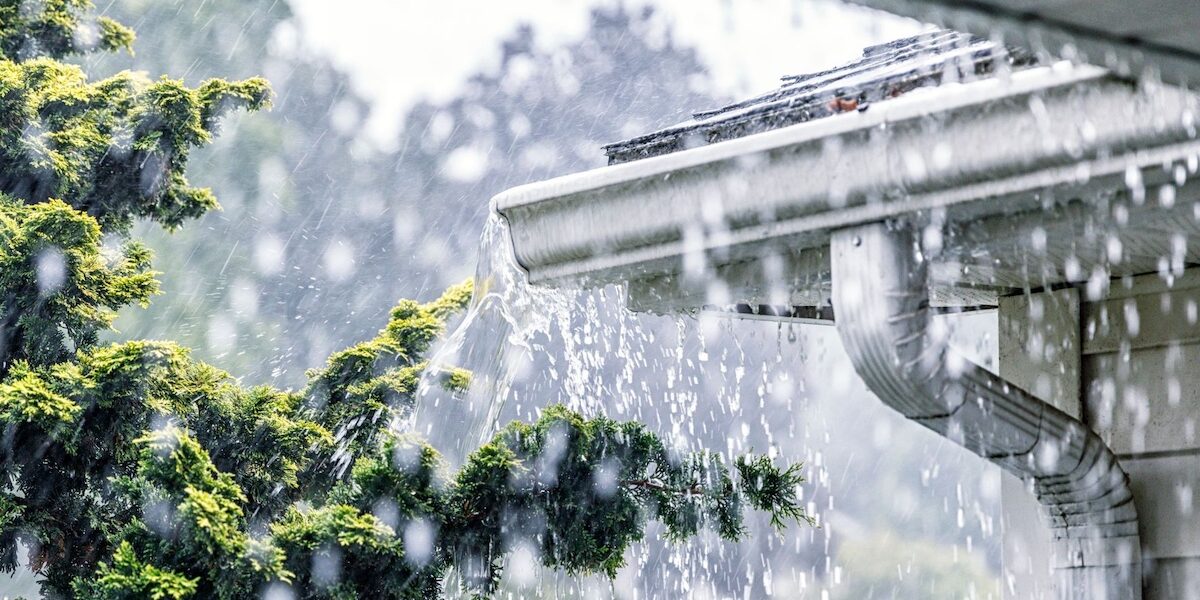
Gutters do the heavy lifting in any stormwater drainage system. A roof collects a huge volume of rain during a storm. Without gutters, it all sheets straight down along the walls. It lands right where you least want it, at the foundation.
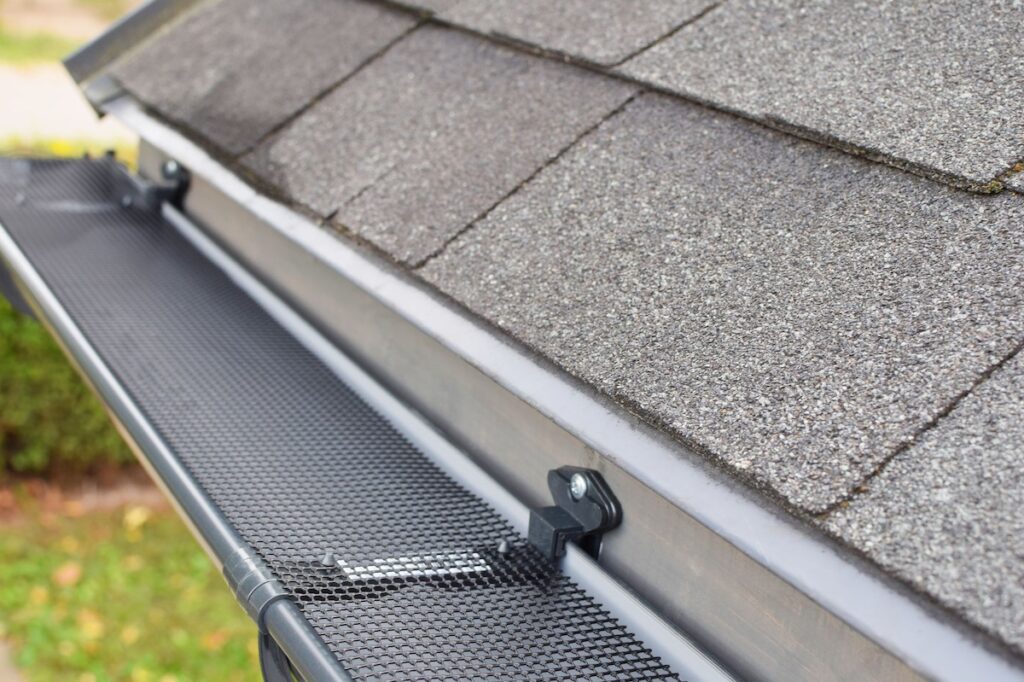
A quality gutter system catches that water and routes it through downspouts. Those downspouts should carry water several feet away from the house. Extensions and splash blocks help push the discharge point even farther out. On a lake home, seamless aluminum or steel gutters hold up well against frequent rain. Keep them clear of leaves and pine needles so they never overflow. Clogged gutters send water spilling over the edge and back toward the wall.
French Drains for Persistent Water Problems
Sometimes gutters alone are not enough. Water can still collect in low spots or migrate through the soil. A French drain solves this problem underground. It is a gravel-filled trench with a perforated pipe running through it. Stormwater drainage flows into the pipe and travels away from the foundation to a safe discharge point.
French drains work beautifully on sloped lakefront lots. They intercept groundwater before it reaches the house. They also handle surface runoff from heavy storms that gutters cannot catch. If your yard stays soggy after rain, a French drain is often the answer. A professional can map the grade and place the drain where it does the most good.
Driveway and Walkway Curbing
Hard surfaces shed water fast. Driveways, patios, and walkways do not absorb rain the way soil does. During a downpour, sheets of water run right off them. Without a plan, that runoff heads straight toward the house.
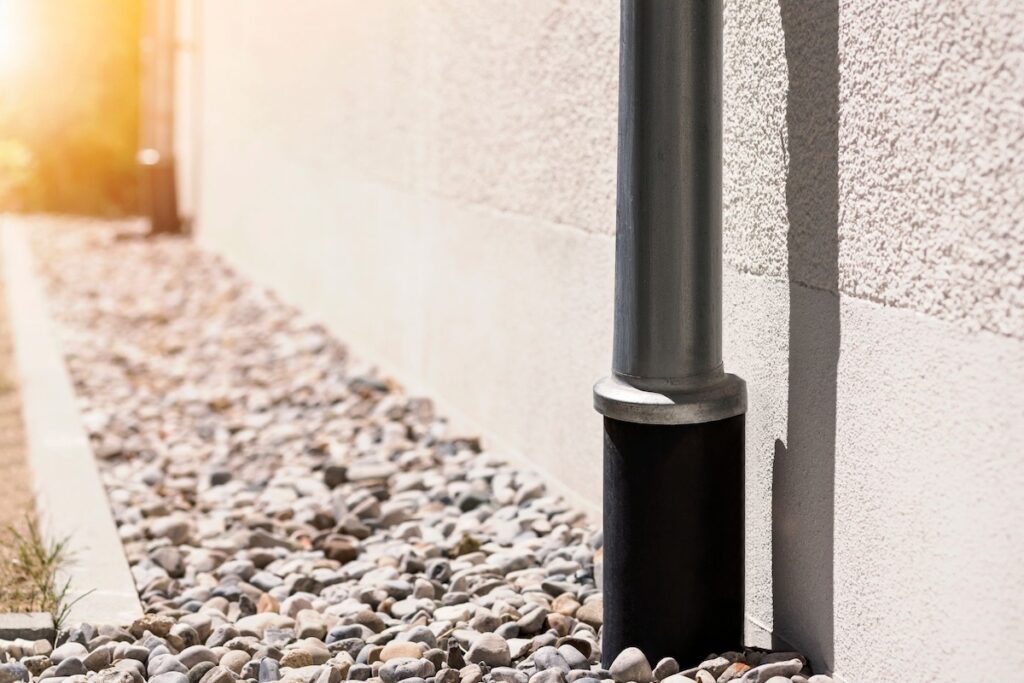
Curbing along driveways and walkways channels that water where you want it. A raised concrete or paver edge acts like a small levee. It guides runoff toward drains, swales, or the lake rather than the foundation. Curbing is a simple addition with a big payoff. It turns a flood risk into a controlled path. Combined with gutters and drains, it completes a full water management picture.
Rain Capture: Turning Storms Into a Resource
Moving water away from the house is only half the story. That same rain can become a valuable resource. Rain capture systems store stormwater drainage for later use. During dry summer stretches or drought, that stored water keeps your landscaping alive.
The volume involved surprises most people. One inch of rain yields about 0.62 gallons per square foot of roof. On an average 1,000-square-foot roof, that adds up quickly. A single one-inch rain can produce roughly 600 gallons of water. A larger roof easily doubles that figure. Even a brief shower fills a barrel faster than you would expect.
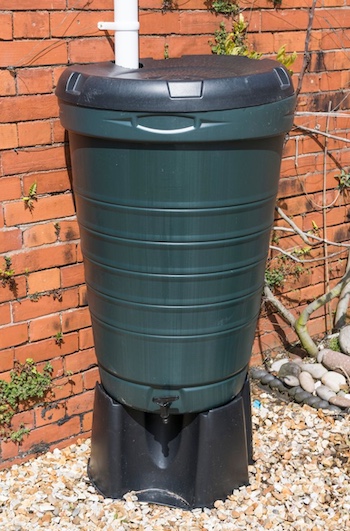
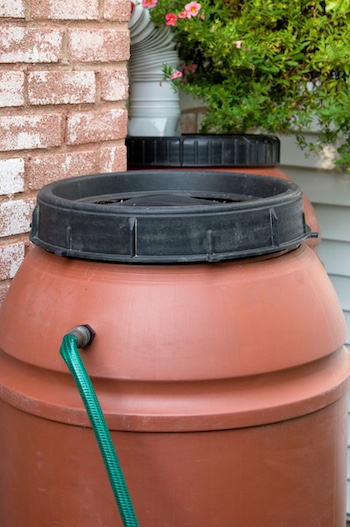
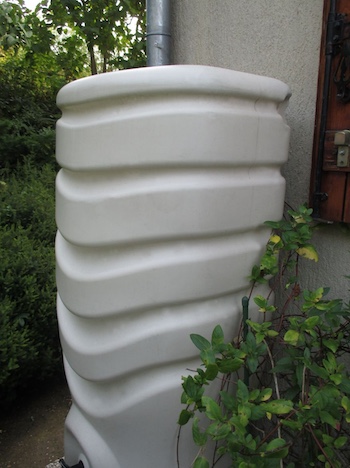
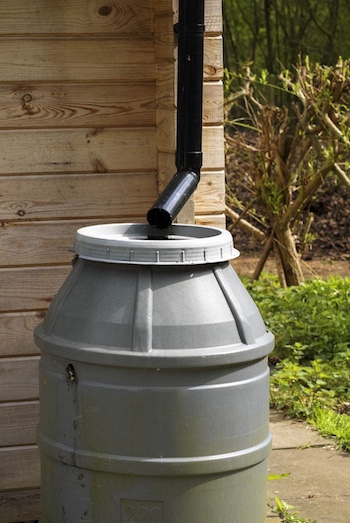
Rain barrels are the easiest entry point. They connect directly to a downspout and hold water for the garden. A larger reservoir or cistern stores hundreds or thousands of gallons. That reserve is perfect for watering plants when rain is scarce. It also eases demand on your well or municipal supply. Capturing rain is good for your yard and your wallet.
Building a Complete Water Handling Plan
The best results come from combining these tools. Gutters catch roof water and move it out. French drains handle groundwater and stubborn wet spots. Curbing controls runoff from hard surfaces. Rain barrels and reservoirs put the surplus to work. Together they protect your investment and your peace of mind. A lake home is a special place. Sound water infrastructure keeps it that way for decades.
Ready to protect your slice of lake life? Whether you’re buying, selling, or caring for a home on the water, the Vibe Realty Team is here to help. We know Lake Martin homes inside and out, from the shoreline to the foundation. Reach out with your questions or schedule a showing today.
Lake Martin Vibe Realty | 8221 Highway 50 S, Dadeville, AL 36853 | 833-562-8423
Frequently Asked Questions
Water is the leading cause of foundation damage. When rain pools against a lake home, the soil stays saturated and expands. It later dries and shrinks, creating a push-pull cycle that cracks foundation walls. Standing water also seeps into crawl spaces, inviting mold, rot, and pests. Directing water away prevents costly structural repairs down the road.
More than most people expect. One inch of rain yields about 0.62 gallons per square foot of roof. On an average 1,000-square-foot roof, a single one-inch rain produces roughly 600 gallons. A larger roof can easily double that amount. Even a brief shower can fill a rain barrel and then some.
A French drain is a gravel-filled trench with a perforated pipe inside. Water flows into the pipe and travels away from the foundation to a safe outlet. You need one when gutters alone cannot keep the yard dry. It works well on sloped lakefront lots and in areas that stay soggy after storms. A professional can place it where it drains best.
Yes. Rain barrels and reservoirs store stormwater for use when rain is scarce. A single inch of rain can fill a barrel quickly, and larger cisterns hold thousands of gallons. That reserve keeps landscaping alive during dry summer stretches. It also reduces demand on your well or municipal water supply during restrictions.