Key Takeaways
- Catfish thrive across Lake Martin, from creek channels and submerged timber to bridge pilings and state park piers.
- Three go-to rigs — Santee Cooper, slip sinker, and three-way — cover almost every water and current condition.
- Skinning, filleting, and removing the mud line take just a few minutes when done correctly.
- Fried, oven-baked, and pan-seared preparations turn fresh fillets into memorable Lake Martin meals.
- The Vibe Realty Team helps buyers find waterfront homes with easy access to fishing on Lake Martin.
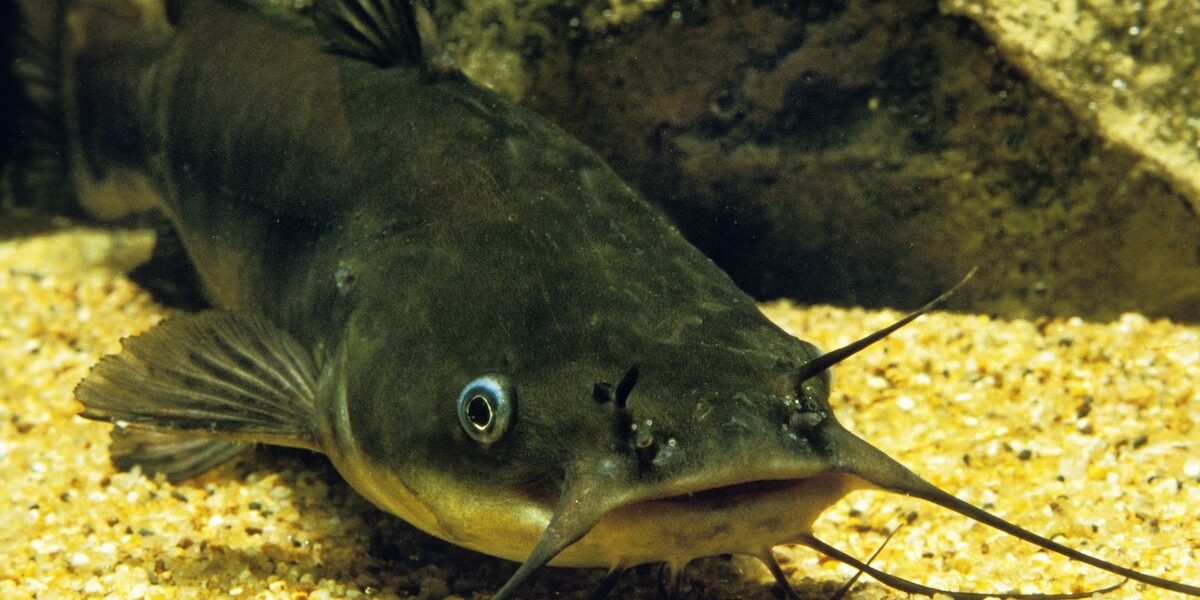
This Lake Martin fishing guide focuses on one of the lake’s most popular fish: catfish. Catfish are a staple of Lake Martin fishing trips. They bite in almost every cove, creek, and channel on the lake. Southern cooks have loved them for generations. Landing your own dinner takes a little know-how, though. This post covers where to find catfish, which rigs work best, and how to clean and cook your catch.
Where to Find Catfish on Lake Martin
Catfish live throughout the lake, but a few spots produce more bites than others. Learning these areas saves time and fuel on every trip.
Creek channels are a proven starting point. The upper reaches carry nutrient-rich water and hold plenty of baitfish. Look for ledges and drop-offs along the channel edges. Catfish stack on those transitions during warm months.
Submerged timber offers shade and ambush cover. Kowaliga Creek and other backwaters are home to plenty of underwater trees. Bottom feeders tuck in tight against these snags during the day.
Deep bridge pilings hold bait and predators year-round. The concrete supports create current breaks that stack shad. Larger blues and flatheads patrol these areas after sundown.
Shore anglers do not need a boat to fill a cooler. Wind Creek State Park has fishing piers and quiet coves nearby. These spots produce steady bites for families and new anglers alike.
Three Rigs Every Lake Martin Fishing Guide Should Cover
Different water calls for different setups. These three rigs handle almost every catfish situation on the lake.
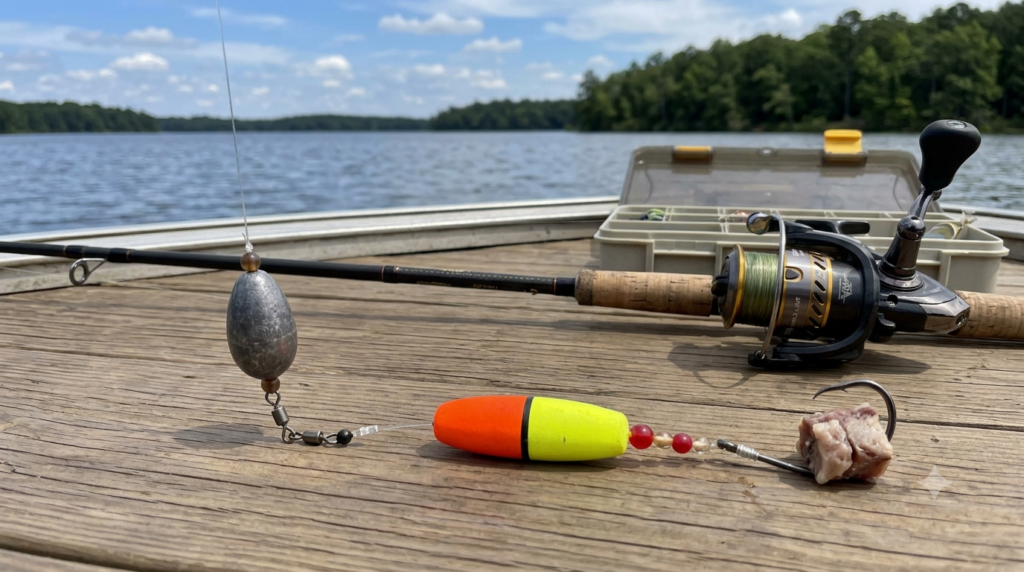
The Santee Cooper Rig for Suspending Bait
Lake Martin is loaded with stumps, brush, and old timber. Standard bottom rigs snag on this cover constantly. The Santee Cooper rig keeps your bait floating just above the snags.
Slide a sinker onto your main line first. Add a bead, then tie on a barrel swivel. Connect a 12- to 24-inch leader with a 3/0 to 8/0 circle hook. Slip a small peg float onto the leader near the hook. That float lifts your bait into the strike zone.
Cut shad, live bream, or skipjack chunks all work well.
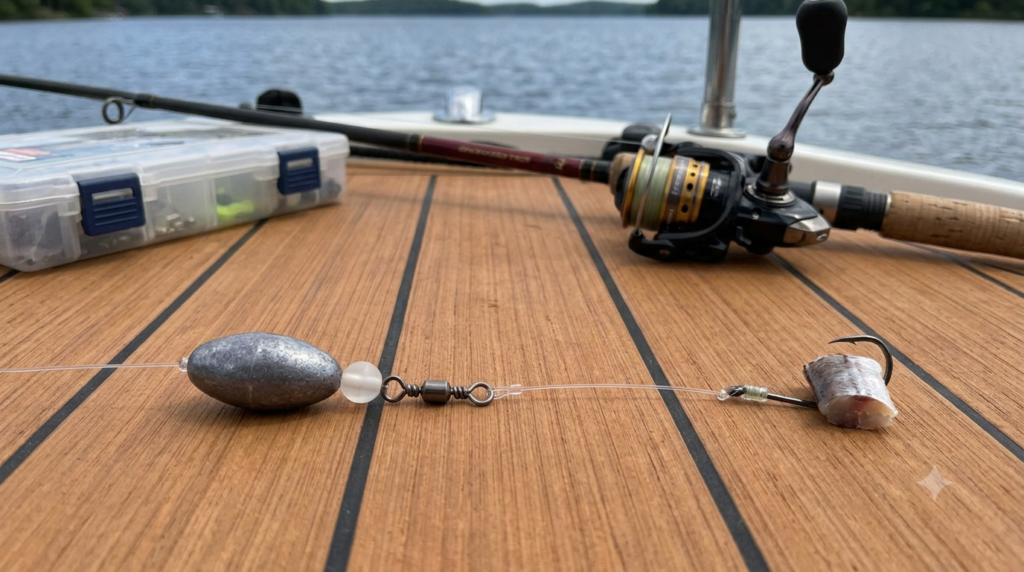
The Slip Sinker Rig for Deep Channels
Reach for this setup when fishing deep river channels or open flats. A two- to five-ounce egg sinker slides freely on your main line. Add a bead to protect your knot from the weight. Tie the line to a barrel swivel next.
Attach a 12- to 18-inch leader in 30- to 50-pound test. Finish with a circle hook and your bait of choice. The sliding weight lets a catfish grab bait without feeling resistance.
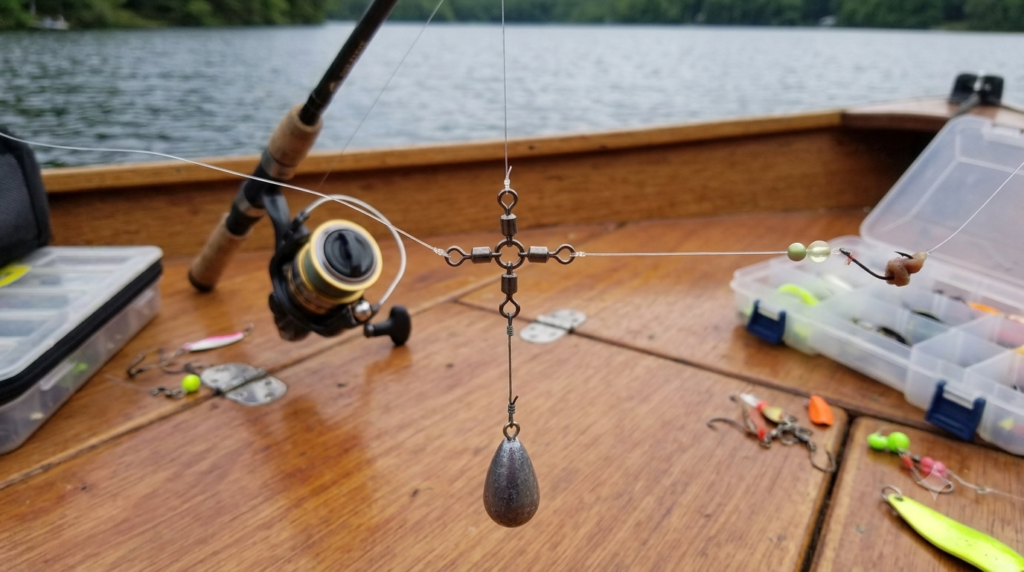
The Three-Way Rig for Heavy Current
Use this rig near Martin Dam and other steep drops. Heavy current pulls simpler setups out of position fast. A three-way swivel ties directly to your main line.
Add a short dropper line with a bank sinker to one eye. Tie a longer leader to the float and hook, then attach the other end to the other. Your weight drags along the bottom while the bait floats overhead. This rig shines in tailrace and drop-off situations.
Cleaning Your Catch the Simple Way
Catfish do not scale like bass or crappie. Their tough, slick skin calls for a different method.
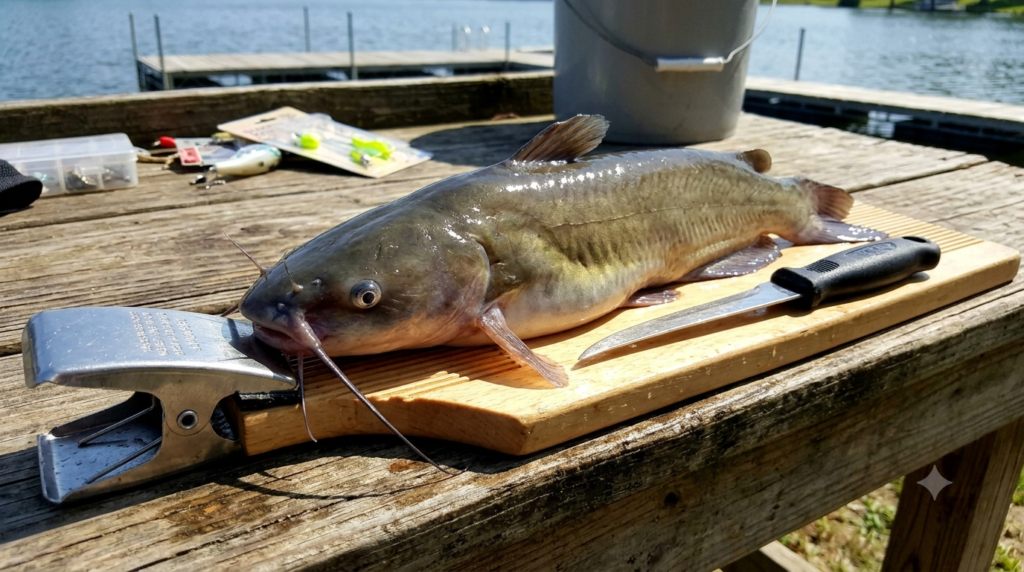
Pin the head to a cleaning board using a clip or nail. That frees both hands for the next few steps. Score the skin all the way around the back of the head. Then run a shallow cut down the back from head to tail.
Grab the skin edge with pliers and pull down toward the tail. One firm motion usually does the job. Repeat on the other side.
For frying whole, slit the belly from vent to gills. Scoop out the organs and rinse the cavity in cold water. Remove the head and fins with kitchen shears.
For boneless fillets, lay the skinned fish flat on the board. Cut behind the head down to the backbone. Turn the blade flat against the spine and glide toward the tail. Flip the fish and repeat on the other side.
Every fillet carries a dark red strip called the mud line. That strip holds strong, muddy flavors that ruin a meal. Cut it out with a shallow V-shaped notch down the length. Rinse the fillets in ice-cold water before storing or cooking them.
Three Ways to Cook Your Lake Martin Catfish
Catfish take to southern flavors like few other fish. These three preparations cover weeknight, weekend, and cookout occasions.
Classic Southern Fried Catfish
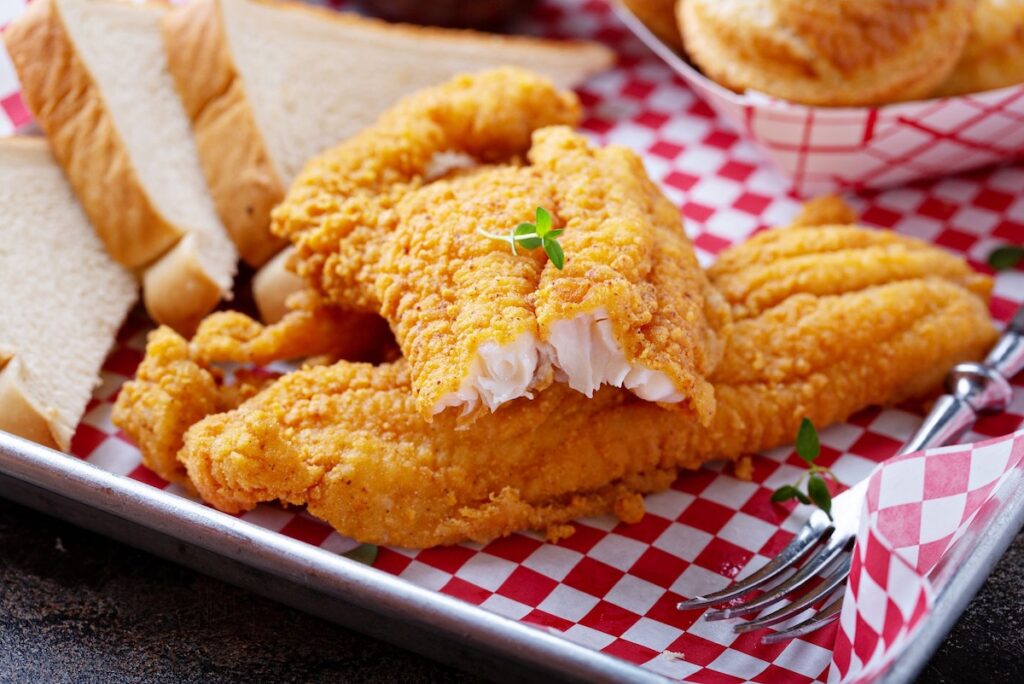
This is the golden, crispy version everyone remembers. Whisk two eggs in a shallow dish. Combine one cup of fine yellow cornmeal with two-thirds cup of flour. Stir in two tablespoons of Cajun seasoning and two teaspoons of garlic powder. Add one teaspoon of cayenne and half a teaspoon of black pepper.
Pat two pounds of fillets dry with a paper towel. Dip each piece in egg and press into the cornmeal mixture. Let the breaded fish rest for five to ten minutes on parchment. Heat about five cups of peanut or canola oil to 365 degrees.
Fry two or three pieces at a time so the oil stays hot. Cook for two minutes, flip, then finish for two more minutes. Drain on a rack and sprinkle with kosher salt right away. Serve hot with fresh lemon wedges.
Crispy Oven-Baked Catfish
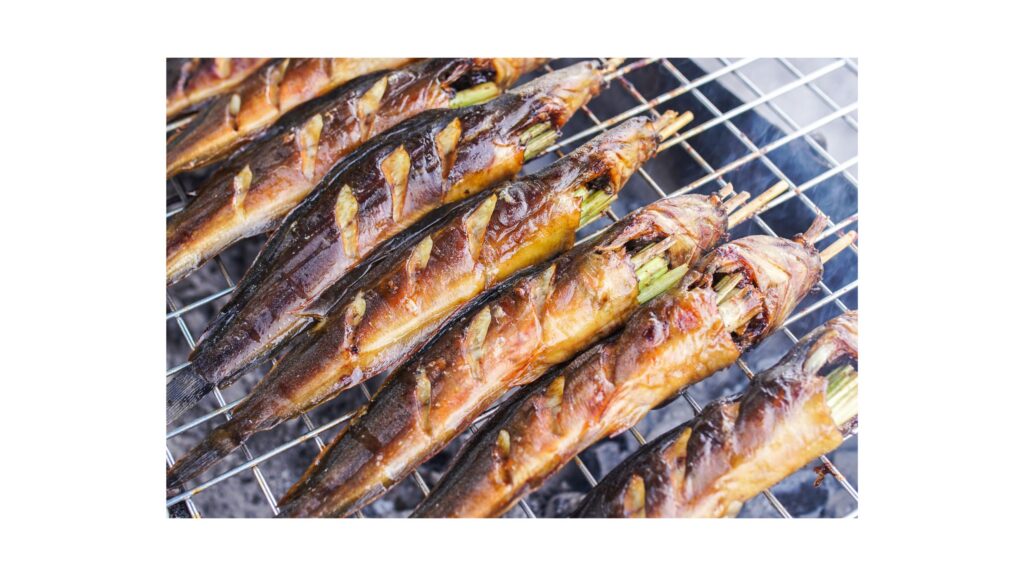
Preheat the oven to 425 degrees. Line a sheet pan with foil and set a wire rack on top. Give the rack a quick coat of nonstick spray.
Whisk one egg with a tablespoon of water in a shallow bowl. In another dish, mix one cup of cornmeal and half a cup of panko. Stir in one teaspoon of smoked paprika and one teaspoon of garlic powder. Finish with half a teaspoon of sea salt.
Dip 1.5 pounds of fillets in the egg, then press into the breading. Arrange on the rack and mist the tops with olive oil spray. Bake for 15 to 20 minutes until golden and flaky.
Pan-Seared Lemon Parmesan Catfish
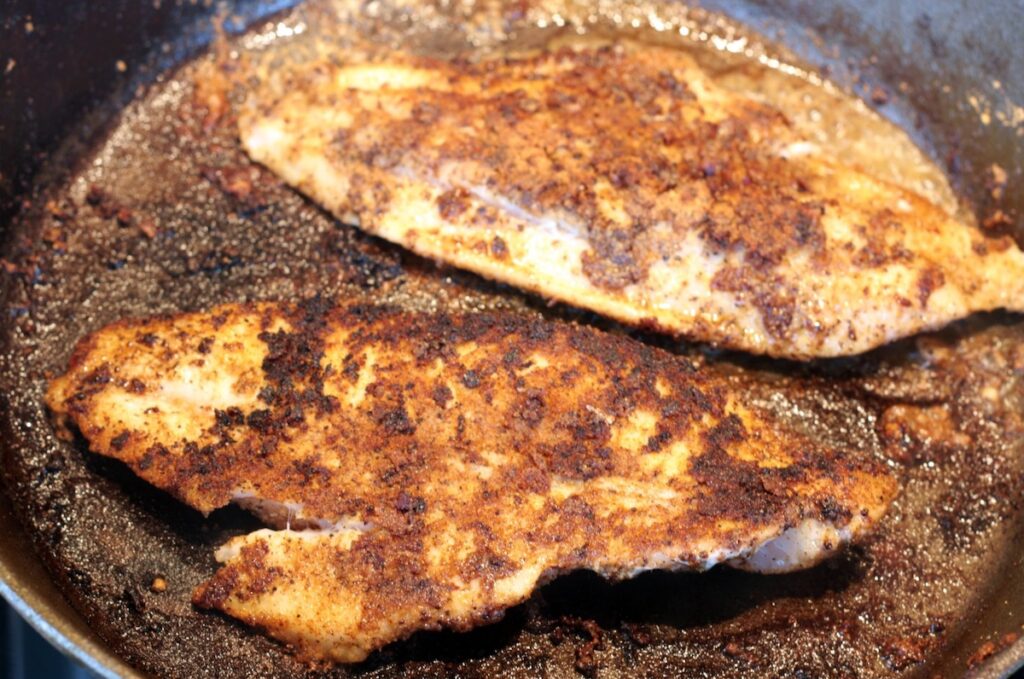
Season one pound of fillets with oregano, garlic powder, onion powder, cumin, salt, and pepper. Coat both sides evenly with the blend.
Heat a tablespoon of olive oil in a cast iron skillet over medium heat. Sear the fillets for 2 to 3 minutes per side. Look for a golden crust before flipping.
Pull the pan off the burner and drizzle an ounce of fresh lemon juice on top. Add a tablespoon of grated parmesan to each fillet. Slide the skillet under a hot broiler for about one minute. Serve as soon as the cheese bubbles and browns.
Timing and Gear for Better Bites
Catfish feed hardest at dawn, dusk, and after dark. Summer nights on Lake Martin produce some of the year’s best action. Bring bug spray, a bright headlamp, and a comfortable chair.
Water temperature drives the bite too. Action heats up as spring warms into summer. Fall fish feed heavily before winter sets in. Even January can pay off in deep holes near creek mouths.
Medium-heavy rods paired with 20- to 30-pound line handle most situations. Bank anglers do well with rod holders and a good sand spike. Boat anglers should consider 7- to 8-foot medium-heavy setups. Circle hooks lead to cleaner releases and fewer swallowed hooks.
Living the Lake Martin Life
Fishing is only part of what makes life on Lake Martin so special. Boating, swimming, and lakeside cookouts fill every warm weekend. Owning a home on the water puts all of it minutes from your dock. Whether your dream is a family cabin or a full-time lake home, life on Lake Martin delivers.
Ready to Cast a Line From Your Own Dock?
Nothing beats catching dinner from the same water you call home. Maybe you dream of a waterfront cabin, a permanent lake home, or a smart investment property. The Vibe Realty Team is ready to help. Our agents know the coves, the neighborhoods, and the best fishing water on the lake.
Visit us at 8221 Highway 50 S, Dadeville, AL 36853. Call 833-562-8423 to talk about your next move on the water.
Frequently Asked Questions
Yes. Alabama requires a freshwater fishing license for anyone aged 16 through 64. Licenses are sold online through Outdoor Alabama and at local sporting goods stores. Each license is good for one calendar year from the purchase date. Wind Creek State Park sometimes offers free fishing days when a license is not required.
Cut shad is the top choice for most Lake Martin anglers. Fresh bream, live minnows, and chicken liver also draw steady bites. Big flatheads prefer live bait like small bream or shiners. Dip baits and prepared stink baits work well on smaller channel cats. Match the bait to the size fish.
Late spring through early fall produces the most consistent catfish action. Water temperatures between 70 and 85 degrees fire up their feeding patterns. Summer nights are prime time for trophy blues on Lake Martin. Fall bites stay strong through October. Even winter offers opportunities in deep holes near creek mouths.
Yes. Lake Martin is one of the cleanest large reservoirs in the state. The Alabama Department of Public Health publishes fish consumption advisories every year. Check current guidelines before eating multiple meals per week from the same water.
Removing the dark red mud line during cleaning is step one. Soaking fillets in ice water for an hour helps too. Some cooks brine the fillets in salted water or buttermilk overnight. That step draws out any lingering strong flavors. Fresh, properly cleaned fish rarely tastes muddy at all.