Key Takeaways
- Weekend owners face a unique risk: outages strike when no one is at the property to respond.
- Natural gas and propane standby generators deliver unlimited runtime as long as fuel is available.
- Battery systems like Tesla Powerwall 3 and FranklinWH aPower 2 run silently with zero emissions.
- Most lake homes need a generator with 20 kW or more of capacity for true whole-home coverage.
- A reliable backup system protects your investment and adds appeal at resale.
Owning a lake home should feel like an escape, not a Sunday-morning crisis. For most Lake Martin waterfront homes, weekends are when life actually slows down. The trouble is that power outages do not wait for you to be home. A storm can knock the grid out on a Tuesday. You might not learn about it until you drive in on Friday night. By then, the freezer is a science experiment, and the HVAC has been off for days. Whole-home power backup solves this problem before it starts.
Why Weekend Owners Need Whole-Home Backup at the Lake
Lake Martin sits in a part of Alabama that sees its share of summer thunderstorms. Winter ice events are rarer but still possible. Either can drop power for hours or days. For full-time homes, an outage is an inconvenience. For weekend properties, an outage can turn into real damage. Spoiled food is just the start. Frozen pipes, mold from a dead dehumidifier, or an unmonitored sump pump can each cost thousands.
A standby system runs automatically when grid power drops. You get notified through an app. The freezer stays cold, and the AC stays on even when you’re not driving at 2 a.m. That peace of mind is the whole point of owning a lake retreat.
Standby Generators: Reliable Power, Unlimited Runtime
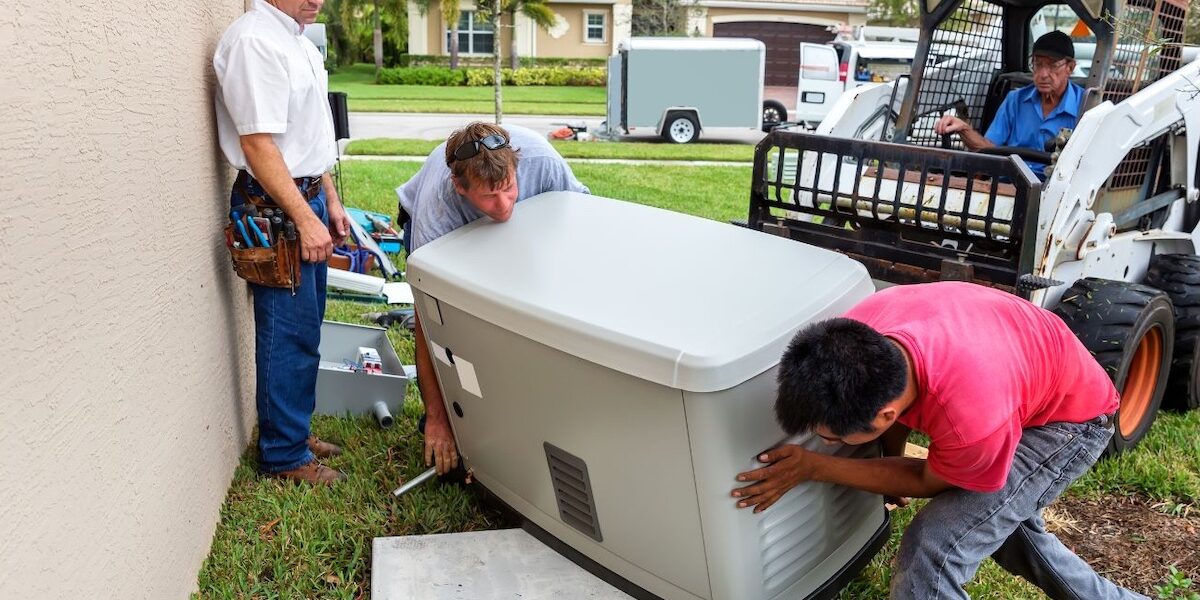
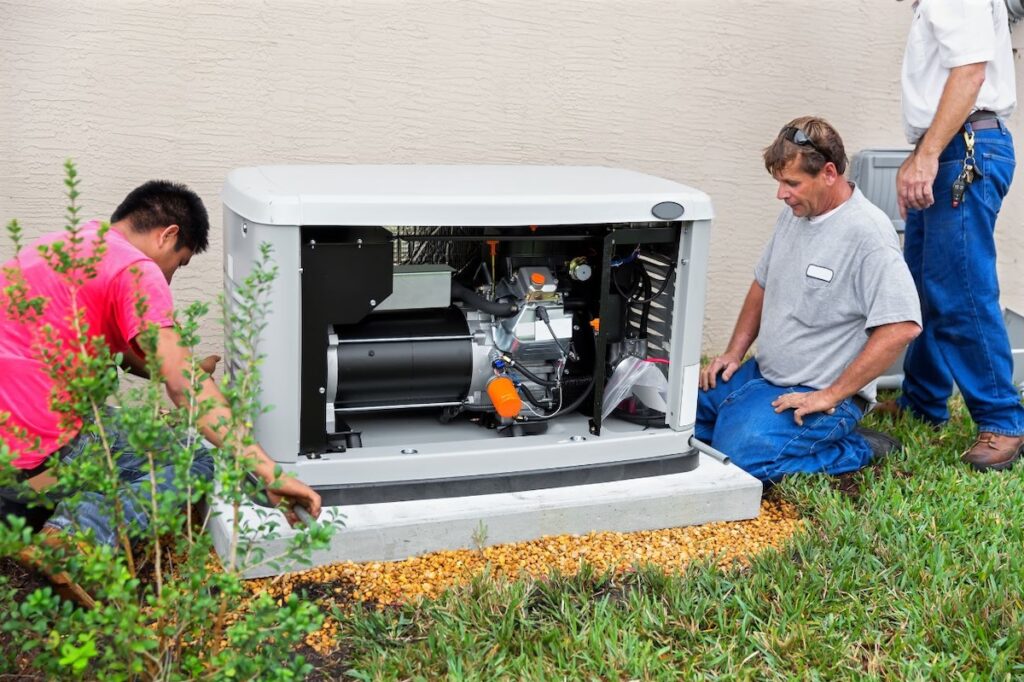
Standby generators have powered lake homes for decades. They sit outside in a weatherproof enclosure and run on natural gas or propane. Most Lake Martin properties use propane, since rural mains gas service is limited.
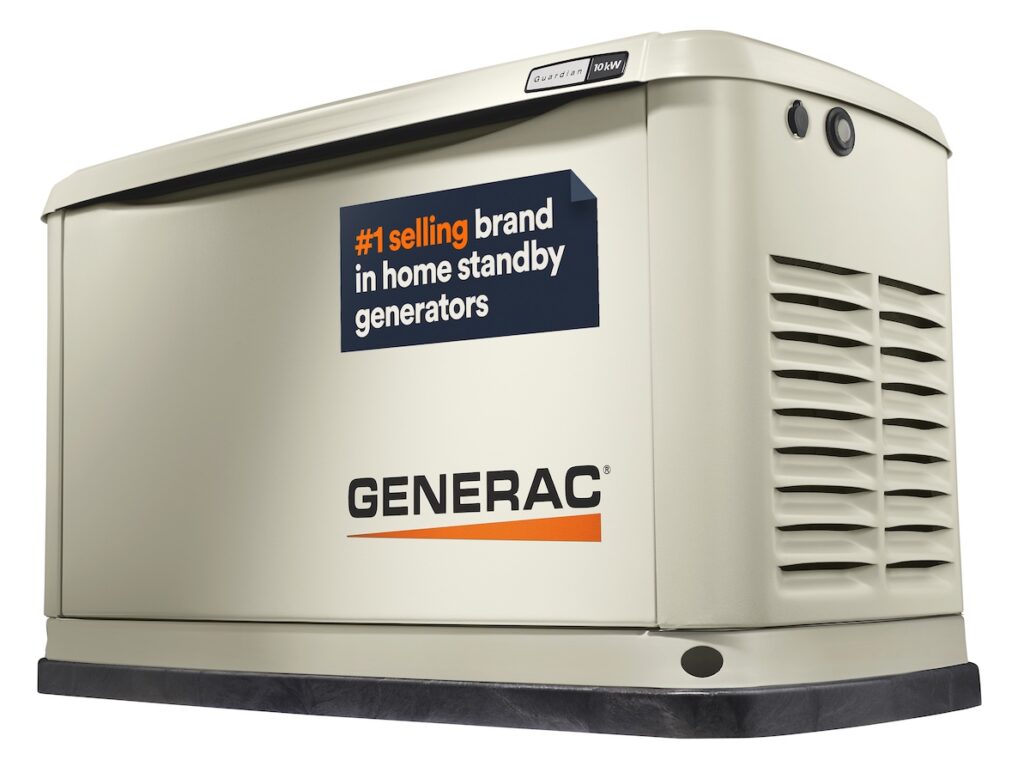
Generac dominates the residential market with Guardian models from 10 kW up to 26 kW. Installed pricing typically ranges from $8,000 to $15,000 for whole-home coverage. Kohler is the premium pick for durability and quiet operation. Their generators are often praised for lasting 30 years or more. Cummins QuietConnect models are well-suited to larger homes with high power demand. Briggs & Stratton rounds out the field with budget-friendly units up to 48 kW.
The biggest advantage is unlimited runtime. As long as the propane tank has fuel, the generator keeps running. The trade-offs are operational noise, regular maintenance, and emissions.
Battery Backup: Silent Power, Smart Integration
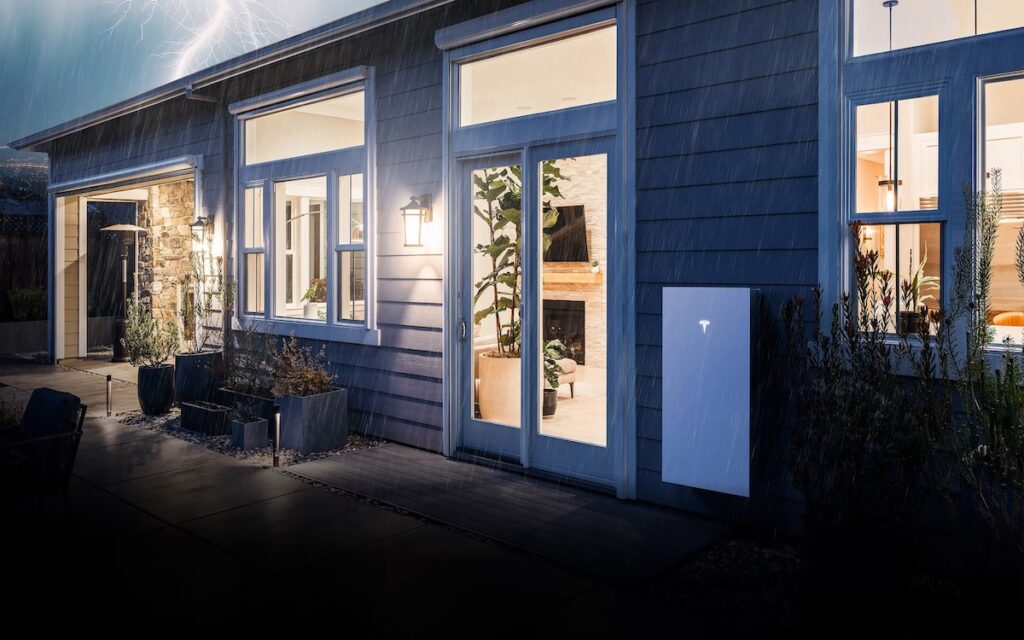
Battery backup is the fastest-growing category in home power. These systems store electricity and deploy it instantly when the grid fails. Switchover happens in milliseconds, not seconds. You will not even see the lights flicker.
The Tesla Powerwall 3 is the market leader. It delivers 13.5 kWh of storage and 11.5 kW of continuous output per unit. The installed cost runs $12,000 to $20,000 for a single unit. Most lake homes need two or three Powerwall 3 units for full coverage.
The FranklinWH aPower 2 is a serious competitor. It offers 15 kWh per cabinet and a 15-year warranty. The system also integrates with existing generators, which is rare among battery brands. The Enphase IQ Battery 5P is the modular choice. Each unit stores 5 kWh and stacks easily. The new IQ Battery 10C now delivers 10 kWh per unit for homes wanting fewer cabinets.
All three brands use lithium iron phosphate chemistry. That makes them safer and longer-lasting than older battery designs. They also qualify for the 30 percent federal tax credit through 2032.
Sizing Your System for a Lake Home
Sizing is where most homeowners get it wrong. A 10 kW generator might keep lights and a fridge on. It will not run a heat pump, a well pump, and a pool pump simultaneously.
For most Lake Martin waterfront homes, plan on 20-26 kW of generator capacity. That covers a typical 2,500- to 4,000-square-foot lake home. Think heat pump, full kitchen, water systems, and the freezer you cannot afford to lose.
For battery backup, plan on 27-40 kWh of usable storage. That equals two Powerwall 3 units or two FranklinWH aPower 2 units. A licensed electrician should perform a load calculation before you buy. The right size depends on your specific appliances and how you use the property.
Choosing Between Generator and Battery — or Both
Pick the generator if your priority is runtime and you have propane already on site. A 500-gallon tank can run a generator for a week or more. Pick the battery if you want silent operation, lower long-term maintenance, and the federal tax credit.
Many owners are now choosing a hybrid setup. A battery handles short outages silently. A generator kicks in for multi-day events. Add solar panels, and the system becomes nearly self-sufficient. FranklinWH and Generac PWRcell are both designed for this kind of integration.
What Backup Power Means for Lake Martin Property Value
A whole-home backup system is more than insurance. It is a feature buyers notice when they tour Lake Martin homes for sale. Listings with installed generators or battery systems tend to stand out in MLS searches. Appraisers may not always assign a specific dollar value to the equipment. Buyers definitely do. For sellers, it removes a common objection from out-of-state buyers worried about storm exposure.
Our team at Lake Martin Vibe Realty can help you weigh the options and decide which upgrades pay off. We know what buyers and sellers prioritize most around the lake.
Ready to Talk Through Backup Power and Your Lake Home?
Backup power deserves a real conversation. That goes whether you already own a Lake Martin home or you are shopping for one. The Vibe Realty Team at Lake Martin Vibe Realty knows the local market. We also know the neighborhoods and the features today’s buyers care about. Call us at 833-562-8423 or stop by our office at 8221 Highway 50 S, Dadeville, AL 36853. We are happy to help you make the most of life on the lake.
Frequently Asked Questions
Most Lake Martin properties are not on a natural gas line. Rural Alabama gas infrastructure does not extend to most lake neighborhoods. Almost all standby generators around the lake run on propane instead. Homeowners typically install a 500-gallon or 1,000-gallon tank, either above ground or buried. Propane is widely available, and refills can be scheduled by local providers.
A single 13.5 kWh battery can power a typical lake home’s essential loads for 8 to 12 hours. That includes refrigeration, lights, and modest HVAC use. Two batteries can extend backup to a full day or longer. Most weekend-only outages fall well within that range. If the system pairs with solar panels, the battery can recharge during daylight. That extends backup indefinitely for daytime grid failures.
For a 2,500- to 4,000-square-foot Lake Martin home with full appliances, plan on 20-26 kW. Smaller cabins under 1,500 square feet can often manage with a 14-kW or 16-kW unit. Always have a licensed electrician complete a load calculation before purchasing. Oversizing wastes money. Undersizing leaves you in the dark when the system trips during a high-load event.
Yes. Both generators and battery systems can be retrofitted to almost any home. Battery systems are often easier to add because they need less space and no fuel line. Generators need a propane line and a concrete pad. Both require a permit from Tallapoosa County or your local municipality. Plan for four to twelve weeks from order to final inspection.