
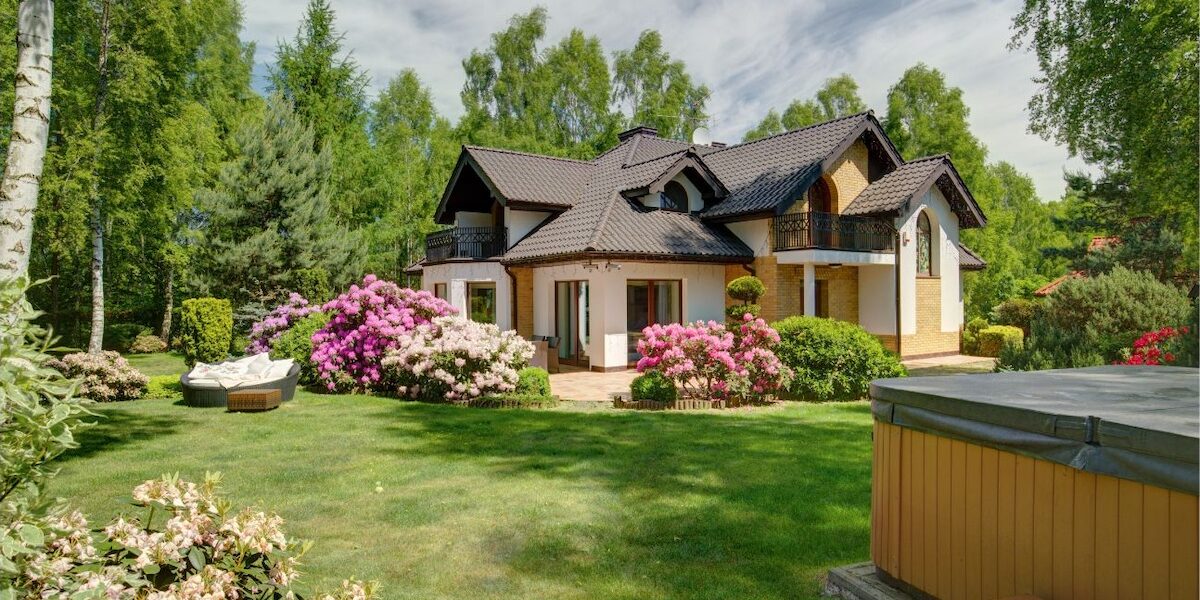
There is something about spring on Lake Martin that makes you want to be outside. The water warms up, the days stretch longer, and suddenly every corner of your property is full of potential. Whether you are sprucing up a waterfront retreat, a lakeside cottage, or a home in one of the area’s off-water communities, now is the time to start planning your spring and summer landscape. Choosing the right plants for the Lake Martin area means considering more than just color and curb appeal — it means selecting species that can withstand Alabama’s heat and humidity, resist local wildlife pressure, and thrive with minimal fuss.
Understanding the Lake Martin Growing Zone
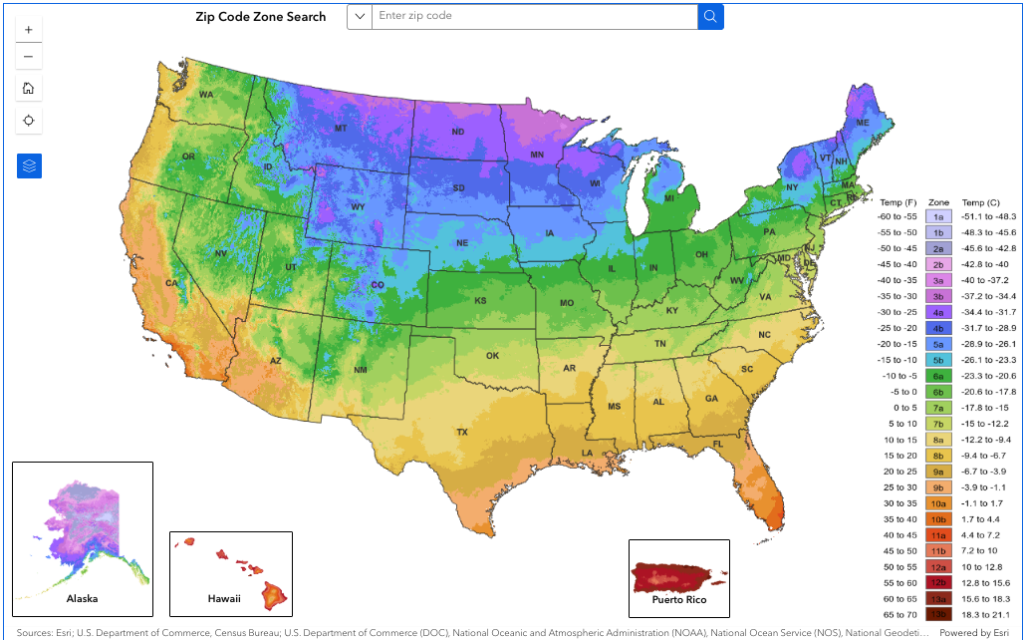
Lake Martin sits in central Alabama, placing it primarily within USDA Hardiness Zones 8a and 8b. This means mild winters, long growing seasons, and summers that push well past 90 degrees. Plants that perform best here are those suited to humidity, occasional drought, and the kind of heat that rolls in from June through September. Native and well-adapted species are your best allies — they establish faster, require less water and fertilizer, and hold their own against the local pest population. Knowing your zone gives you a strong head start before you ever set foot in a nursery.
Trees and Shrubs That Thrive at the Lake
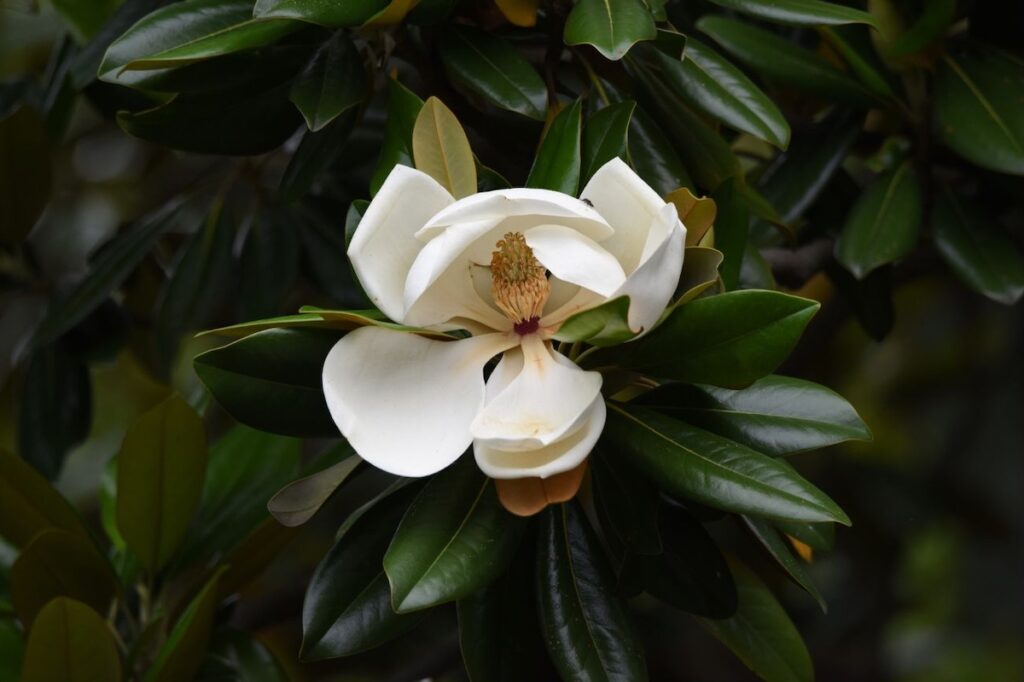
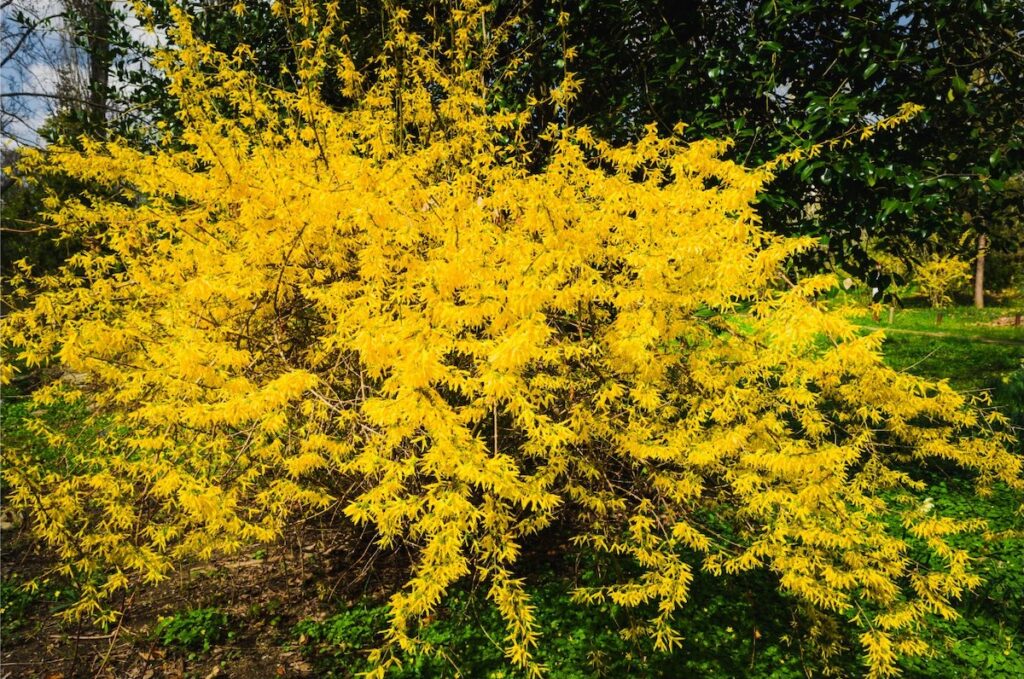
For structure and long-term beauty, the Lake Martin landscape is well suited to a strong lineup of trees and flowering shrubs. Dogwood and redbud are Alabama favorites that put on a spectacular spring show and transition gracefully into the warmer months. Southern magnolia is practically made for this region — a native performer that offers glossy foliage and iconic blooms year-round. Forsythia bursts into bright yellow flowers early in the season, making it a welcome signal that spring has officially arrived.
Boxwood remains a reliable choice for defined borders and foundation planting. Lilac adds fragrance and charm, while spruce provides year-round structure and privacy. Azaleas thrive in Lake Martin’s partial shade and moist soils, delivering some of the most vibrant color available in an Alabama spring landscape. For a broader canopy, red maple and live oak offer lasting shade and adapt well to the area’s varied soil conditions.
Deer, Rabbit, and Japanese Beetle Resistance
If you spend any time on Lake Martin, you already know the wildlife is part of the charm — until it starts working through your flower beds. Deer and rabbit pressure is real in this area, and Japanese beetles can cause significant damage to ornamental plants during the summer months. Fortunately, a little planning goes a long way.
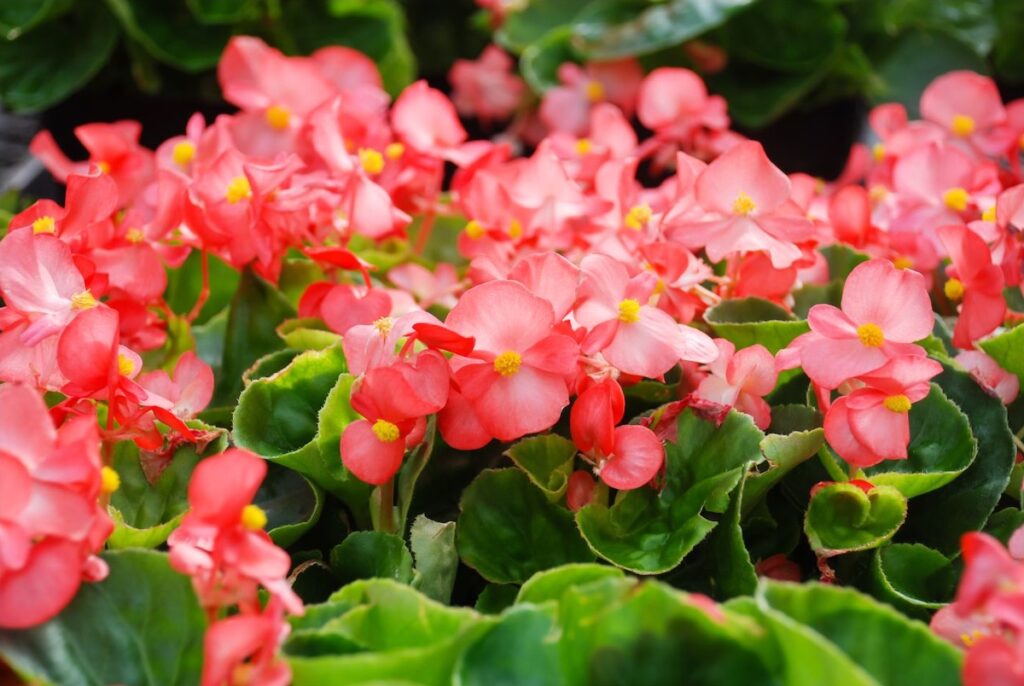
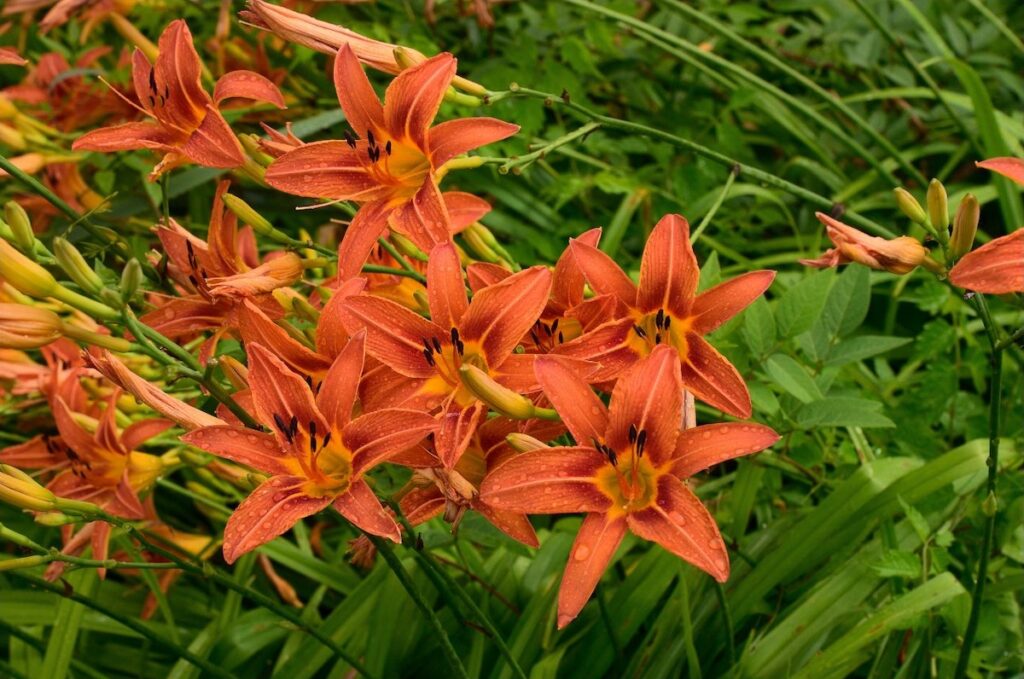
For flowers, begonias, geraniums, daylilies, daisies, and lavender are all considered less appealing to deer and rabbits and are also among the plants less targeted by Japanese beetles. Lavender does double duty, acting as a natural repellent — its scent discourages a range of pests. Planting garlic and catnip nearby can further help deter beetles and other insects. Among trees and shrubs, dogwood, magnolia, redbud, lilac, forsythia, boxwood, and spruce are all recognized for their resistance to Japanese beetle damage, making them smart investments for a Lake Martin landscape that stays looking good through the summer.
Native and Low-Maintenance Options Worth Considering
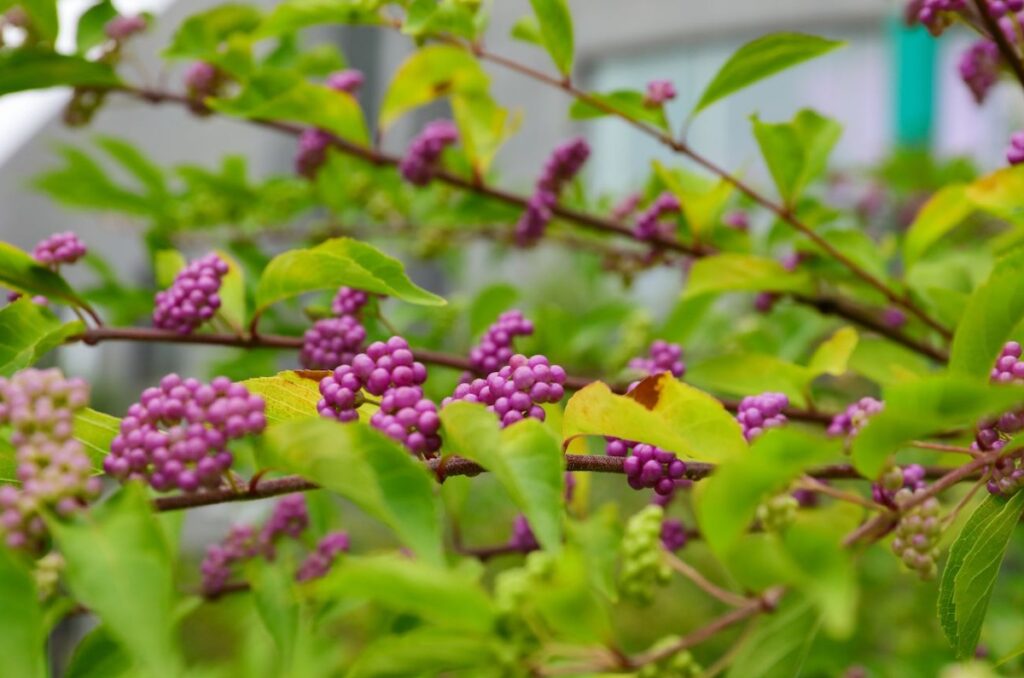
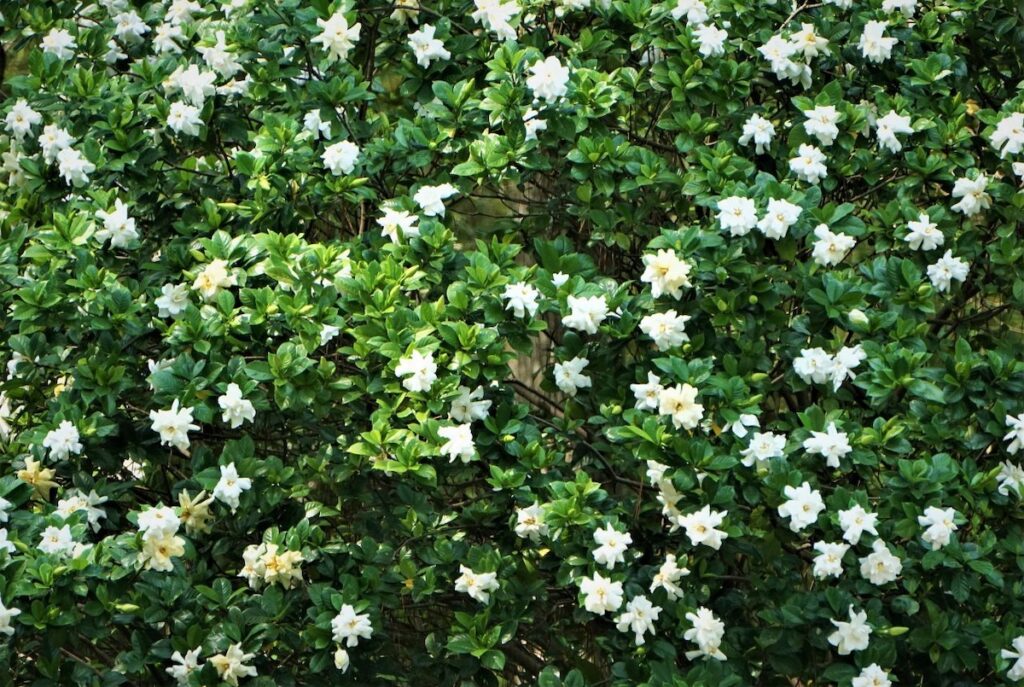
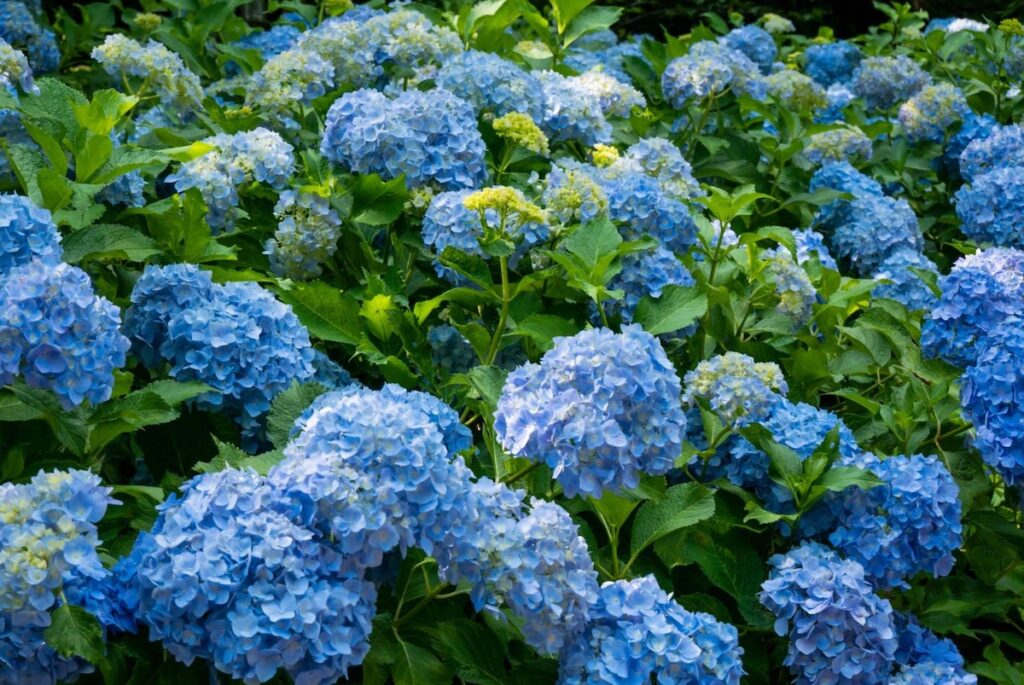
Beyond the classic choices, the Lake Martin area responds beautifully to several native and low-maintenance plants that support local wildlife while reducing the work on your end. Black-eyed Susans and purple coneflowers are drought-tolerant once established and attract pollinators through the summer. American beautyberry features striking purple clusters that also serve as a wildlife habitat. Muhly grass and liriope work well as ground covers along sloped lakefront properties, reducing erosion while requiring almost no upkeep. Gardenias add fragrance and elegance to shadier spots, and hydrangeas — especially bigleaf varieties — are a longtime staple of Alabama summer gardens.
Butterfly weed is another underrated option for sunny areas. It handles dry spells with ease, produces vivid orange blooms, and draws butterflies and hummingbirds throughout the season. For gardeners who want maximum color with minimal maintenance, mixing perennials with a few well-chosen annuals, such as marigolds and petunias, gives you both long-term structure and seasonal flexibility.
Soil, Mulch, and Watering Tips for Lake Martin Gardens
Even the best plant selections struggle without proper preparation. Central Alabama soils can be clay-rich, which holds moisture but drains slowly. Amending with organic material improves both drainage and root development. Mulching around plants helps regulate soil temperature, retain moisture, and suppress weeds — a particular benefit during the heat of a Lake Martin summer.
When it comes to watering, overwatering is one of the most common mistakes in Alabama gardens. Check soil moisture a couple of inches down before watering, and allow it to dry slightly between cycles. Fertilize in late winter just before spring growth begins, and avoid fertilizing during dry spells or in fall when the risk of root damage is higher.
Making the Most of Your Lake Martin Property
A well-planned landscape adds genuine value to Lake Martin real estate, whether you are preparing to list your property or simply want to enjoy it to the fullest. The right combination of trees, shrubs, and flowering plants creates curb appeal that works in every season, holds up against local wildlife pressure, and reflects the natural beauty that makes this area so special.
If you are thinking about buying or selling a Lake Martin property, the team at Lake Martin Vibe Realty understands this market inside and out — and they are happy to share what makes a property stand out. Visit the Lake Martin Vibe Realty team page to connect with local experts who love this lake as much as you do.