Key Takeaways
- Mowing leaves into your lawn usually beats raking because it returns nutrients and can cut spring fertilizer needs.
- Chop leaves to about dime-sized pieces so they settle between grass blades instead of matting on top.
- Rake when leaves pile up faster than your mower can keep pace, or when thick, waxy leaves won’t break down.
- Keep leaves out of streets, ditches, and coves, where they add phosphorus that feeds algae in the lake.
Which Method is Better for Your Lawn
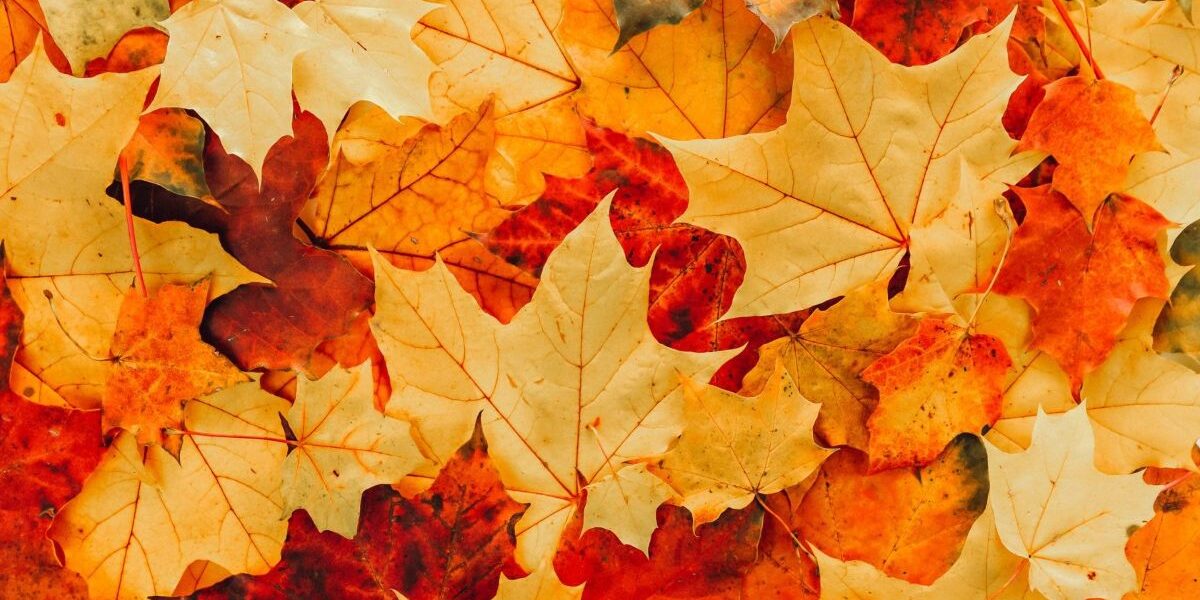
October at Lake Martin brings cooler mornings, quieter coves, and a whole lot of leaves. Oaks, hickories, and sweetgums start dropping across yards from Dadeville to Alexander City and everywhere along the lake. That leaves every homeowner with the same weekend question. Should you rake them up or mow right over them? Good Lake Martin fall leaf care starts with knowing which choice actually helps your lawn.
For most yards, the answer is mulch. Really. Researchers have studied this for years, and the results are pretty clear. Still, technique matters, and sometimes the rake earns its keep. Here’s what to know before your trees finish their fall show.
Why Mulching Wins for Lake Martin Fall Leaf Care
Turfgrass researchers at Michigan State University found that mowing leaves into the lawn in fall pays off. Shredded leaves break down, returning nitrogen and organic matter to the soil. Lawns treated this way green up better the following spring. Fallen leaves also carry potassium and phosphorus, two more nutrients your grass relies on.
The benefits build over time, and that’s where mulching really pulls ahead of raking and bagging. Homeowners who mulch year after year often find they need less fertilizer for a thick lawn. The same research tracked noticeably fewer dandelions in lawns mulched for three seasons in a row. That’s free weed control. And it comes from something you’d otherwise haul to the curb.
Michigan lawns aren’t Lake Martin lawns, of course. Most yards here grow warm-season grasses like Bermuda, zoysia, or centipede. Those grasses slow down and head toward dormancy as temperatures drop. The organic matter still feeds your soil, though. It’ll be ready and waiting when the lawn wakes up in spring.
How to Mulch Leaves the Right Way
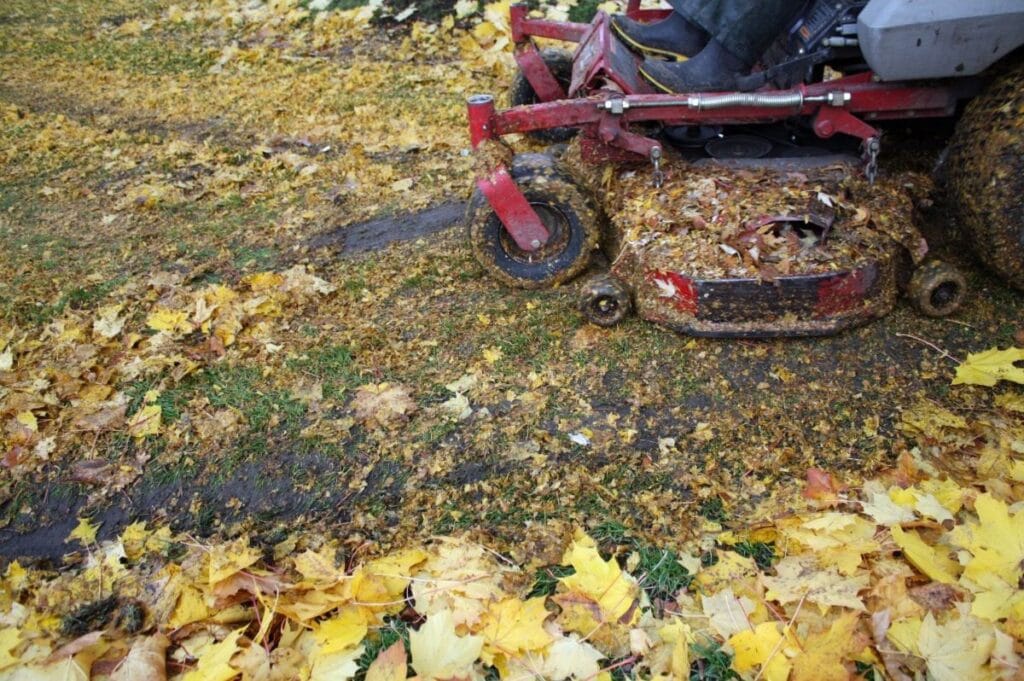
Size is everything. Seriously. Aim for leaf pieces about the size of a dime. At that size, they sift down between the grass blades and rest on the soil surface. Whole leaves sit on top, and that’s where problems start. Sharp mower blades make a big difference, since dull ones tear leaves and grass instead of cutting cleanly. Many mowers also accept a mulching blade or plug that chops leaves even finer.
How much can your lawn handle before it’s too much? University research shows turf can take up to six inches of shredded leaves. On a heavy-drop day, you’ll likely need two or three passes to reach that depth. The rule of thumb is simple. If you can still see grass through the layer, you’re in good shape. Thin layers of chopped leaves won’t smother turf or invite disease. Thick, wet mats of whole leaves? They can do both.
When Raking Still Makes Sense
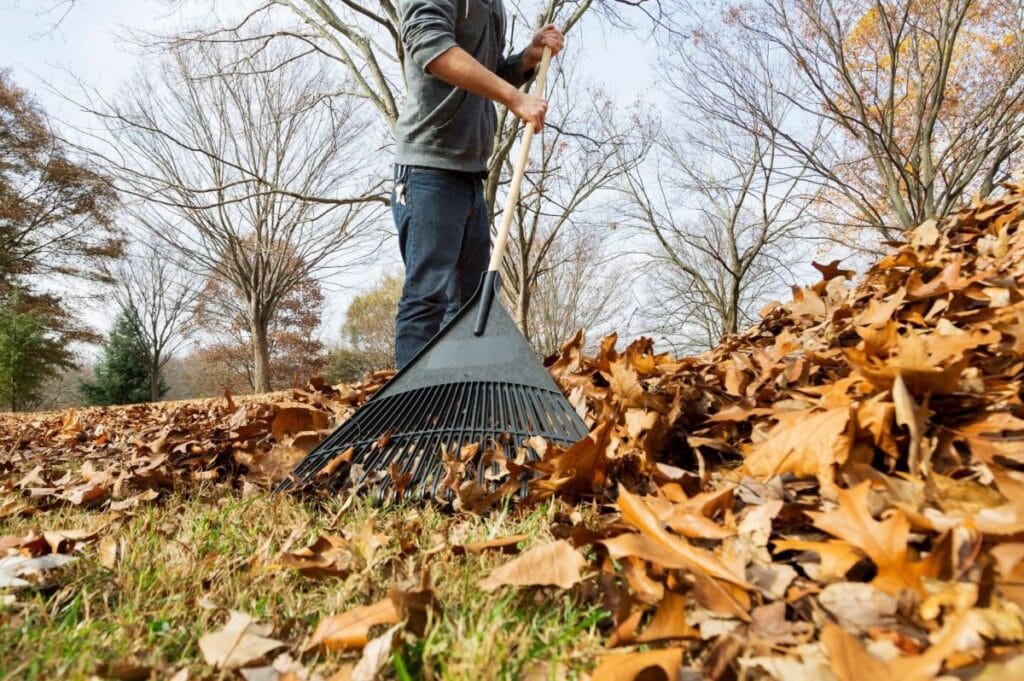
Mulching isn’t the right call every single time. Some weeks, leaves fall faster than any mower can keep up. When piles build up, rake or bag the excess and mulch what’s left. Leaf type matters, and more than most people expect. Thick, waxy leaves from Southern magnolias and some oaks don’t chop cleanly or break down quickly. Wet leaves are tricky. They clump together and mat down on the turf instead of shredding into small pieces.
Watch any spots you’ve overseeded for winter color. Plenty of Lake Martin homeowners overseed dormant lawns with ryegrass each fall to keep the yard green through winter. A heavy blanket of leaves blocks light and can smother those young seedlings. Keep those areas clear until the new grass gets established. In the end, most yards use both tools. Mulch the light and moderate drops, then rake when the pile gets ahead of you.
Protecting the Lake From Fall Leaves
Lake homes come with one extra responsibility this time of year. It matters. Don’t blow or rake leaves into the street, a ditch, or the water. Leaves left in streets wash into storm drains and eventually reach creeks and coves. As they decay, they release phosphorus. Too much phosphorus feeds algae, which clouds the water and hurts fish habitat. Extension researchers point to street leaf piles as a real source of that pollution.
Waterfront owners should be especially careful along the shoreline. It’s tempting to sweep leaves off a dock or seawall straight into the cove. The better habit is to blow them back onto the lawn and mulch them there. Your grass gets the nutrients, and the water stays clearer for everyone who loves this lake.

Putting Fall Leaves to Work Around Your Lake Home
Chopped leaves aren’t just for the lawn. They make an excellent mulch for flower beds and around shrubs. They’ll also jump-start a compost pile, especially when mixed with fresh grass clippings. Pine needles are plentiful around the lake, too, especially on wooded lots shaded by tall loblolly and longleaf pines. Rake them into beds as natural pine straw for a classic Southern look.
A healthy yard pays off when it’s time to sell, too. Buyers browsing Lake Martin homes for sale notice the landscaping before they ever step inside. A thick, green lawn next spring makes a strong first impression in listing photos. If you’re thinking about listing next year, smart fall leaf care is an easy head start.
Whether you’re settling into a lake home or planning your next move, we’re glad to help. Have questions about Lake Martin waterfront homes for sale, home values, or everyday life on the water? Reach out to the Vibe Realty Team at Lake Martin Vibe Realty. Call us at 833-562-8423 or stop by our office at 8221 Highway 50 S, Dadeville, AL 36853. We’d love to help you feel the Lake Martin vibe.
Frequently Asked Questions
For most Lake Martin yards, mulching is the better choice. Mowing leaves into small pieces returns nitrogen and organic matter to the soil. Michigan State University research found mulched lawns greened up better in spring. Those lawns also had fewer dandelions after three years. Rake only when leaves pile up faster than your mower can handle.
Aim for pieces about the size of a dime. These small bits sift down between grass blades and settle into the soil. There, they break down and feed the lawn. A sharp blade and two or three passes usually get you there.
Not if the layer stays thin. Research shows lawns can handle up to six inches of well-shredded leaves. The key is seeing grass through the layer after you mow. Whole leaves that pile up wet and heavy on top of the grass are the real problem. They block light and hold moisture.
Yes, when they end up in the wrong place. Leaves blown into streets, ditches, or coves decay and release phosphorus. Excess phosphorus feeds algae, which clouds the water and harms fish habitat. Keep leaves on your property and mulch them into the lawn. That protects the lake and feeds your grass.
Go easy on areas you’ve overseeded with ryegrass for winter color. A heavy layer of leaves blocks sunlight and can smother young seedlings. Keep those spots clear by raking or blowing leaves elsewhere. Once the new grass is established, light mulching is fine.